As someone who has dedicated over a decade to the intricate world of kitchen measurement tools, especially the humble yet indispensable measuring cup, I understand that precision is the secret ingredient to culinary excellence. Even the smallest measurement, like “1/4” on a measuring cup, holds immense power to make or break a recipe. It’s not just a fraction; it’s a fundamental building block for balanced flavors and perfect textures.
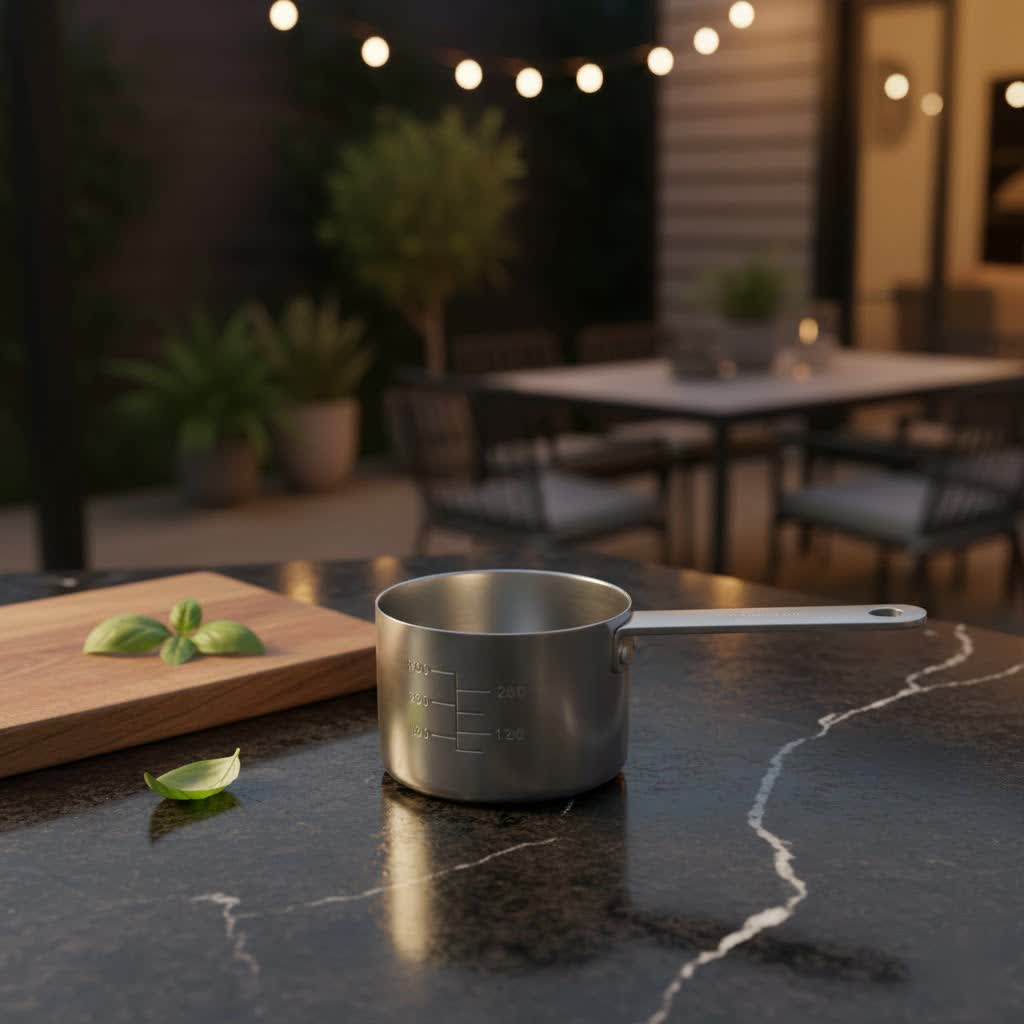
This article dives deep into the significance of the 1/4 cup measurement. We’ll explore its common conversions, delve into the nuances of measuring it accurately with various tools, and share essential tips to ensure your cooking and baking endeavors consistently hit the mark. From understanding what that quarter-cup mark truly represents to choosing the best measuring cup for your needs, we’re here to transform your kitchen into a haven of precision.
Understanding “1/4” on a Measuring Cup
When a recipe calls for “1/4 cup,” it refers to precisely one-quarter of a standard U.S. measuring cup. While it might seem like a small amount, especially for ingredients like leavening agents or potent spices, its accurate measurement is profoundly critical. In baking, where chemistry plays a starring role, even a slight deviation in the amount of flour, sugar, or liquid can dramatically alter the final product’s texture, rise, and taste. For instance, too much flour by just a quarter cup can lead to a dense, dry cake, while too little could result in a crumbly mess. In cooking, maintaining a consistent 1/4 cup of an ingredient ensures your dish tastes the same every time, a hallmark of a skilled home cook.
Conversions for 1/4 Cup
Understanding how 1/4 cup translates into other units is incredibly helpful, especially when you might not have the exact measuring tool at hand or when adapting recipes.
- Tablespoons: The most common conversion to remember is that 1/4 cup equals 4 tablespoons. This is a quick and easy way to measure when you only have measuring spoons available.
- Teaspoons: Since one tablespoon is equivalent to three teaspoons, a 1/4 cup translates to 12 teaspoons (4 tablespoons x 3 teaspoons/tablespoon). While less practical for larger volumes, it’s good to know for tiny adjustments.
- Fluid Ounces: In terms of liquid volume, 1/4 cup is precisely 2 fluid ounces. This is often marked on liquid measuring cups alongside the cup measurements.
- Milliliters: For those familiar with the metric system, 1/4 cup is approximately 59 to 60 milliliters (ml). Many liquid measuring cups feature both imperial and metric markings.
- Grams (Weight): Converting 1/4 cup to grams is trickier as it depends entirely on the ingredient’s density. For water, 1/4 cup is approximately 60 grams. However, 1/4 cup of flour will weigh differently than 1/4 cup of sugar or chopped nuts. For precise weight measurements, a kitchen scale is recommended.
Here’s a quick reference table for your kitchen:
| Unit | 1/4 Cup Equivalent |
|---|---|
| Tablespoons (tbsp) | 4 tbsp |
| Teaspoons (tsp) | 12 tsp |
| Fluid Ounces (fl oz) | 2 fl oz |
| Milliliters (ml) | ~59-60 ml |
| Grams (g) | Varies by ingredient (e.g., ~60g for water) |
Types of Measuring Cups and Their 1/4 Markings
The design of a measuring cup is crucial for accurately reading that 1/4 mark, especially depending on whether you’re measuring dry or liquid ingredients.
Dry Measuring Cups
|
Our Picks for the Best Measuring Cup in 2026
As an Amazon Associate I earn from qualifying purchases.
|
||
| Num | Product | Action |
|---|---|---|
| 1 | Hudson Essentials Stainless Steel Measuring Cups Set (6 Piece Set) |

|
| 2 | OXO Good Grips 2-Cup Angled Measuring Cup |
|
| 3 | FARBERWARE 5-Piece Measuring Cup Set with Coffee Scoop, Durable Plastic Nesting Measuring Cups with Easy-Read Markings, BPA-Free, Dishwasher Safe |
|
| 4 | Pyrex 4-Cup Glass Measuring Cup For Baking and Cooking, Dishwasher, Freezer, Microwave, and Preheated Oven Safe, Essential Kitchen Tools |
|
| 5 | 1/3 Cup Measuring Cup, 80ml Stainless Steel Measuring Scoop Gold Coffee Scoop 1/3 Teaspoon with Wooden Handle for Baking Cooking Wet and Dry Ingredients |
|
| 6 | Measuring Cups Set, Liquid Measuring Cups For 3 For Kitchen - BPA Free Plastic Set with Spout Multiple Measurement Scales (Clear) |
|
| 7 | OXO Good Grips 3-Piece Angled Measuring Cup Set |
|
| 8 | Amazon Basics Glass Measuring Cup, Precise 8 Cup Capacity, Clear Kitchen Measuring Tool, 2 L |
|
| 9 | 2 Pack Measuring Cup Set, Includes 250Ml (1-Cup), and 500Ml (2-Cup) Plastic Liquid Measuring Cups- Baking, Cooking, Mixing & Measuring Cups, Essential Kitchen Tools |
|
| 10 | Pyrex Essentials (3-Pack) Glass Measuring Cups Set, (1, 2 & 4 Cup) Measuring Cups For Prepping, Baking and Cooking, Preheated Oven, Dishwasher, Freezer, and Microwave Safe |
|
Dry measuring cups are typically sold in sets, including individual cups for 1 cup, 1/2 cup, 1/3 cup, and often a dedicated 1/4 cup. These are designed for precise leveling. To measure 1/4 cup of a dry ingredient like flour or sugar, you should:
- Spoon the ingredient into the 1/4 cup measure until it’s overflowing.
- Use the flat edge of a knife or a straight spatula to level off the excess, ensuring a perfectly flat surface at the rim of the cup. For ingredients like brown sugar or solid fats, pack them firmly into the 1/4 cup measure before leveling.
Liquid Measuring Cups (Glass and Plastic)
Liquid measuring cups, usually made of clear glass or plastic, have pouring spouts and incremental markings along their sides. The 1/4 cup mark is clearly indicated. To accurately measure 1/4 cup of liquid:
- Place the measuring cup on a flat, level surface.
- Slowly pour the liquid into the cup.
- Bend down to eye level with the 1/4 cup mark. Read the measurement at the bottom of the meniscus (the slight curve formed by the liquid’s surface). Reading it from above or below eye level can lead to inaccurate measurements.
Electronic Measuring Cups
While not ideal for measuring 1/4 cup by volume with distinct markings like traditional cups, electronic measuring cups often integrate a scale, allowing you to measure ingredients by weight. This provides exceptional precision, especially for ingredients where a 1/4 cup by weight is specified or easily convertible. They can digitally display weight in grams or ounces, which can then be used to achieve the equivalent of a 1/4 cup of a specific ingredient (e.g., 60g of water).
Comparing Measuring Cups for 1/4 Cup Accuracy
When it comes to the 1/4 cup measurement, the type of measuring cup significantly impacts accuracy, depending on the ingredient.
| Feature | Dry Measuring Cups | Liquid Measuring Cups | Electronic Measuring Cups |
|---|---|---|---|
| Material | Stainless steel, plastic | Glass, clear plastic | Plastic/stainless with digital display |
| 1/4 Cup Mark | Dedicated 1/4 cup vessel | Line on the side of a larger cup | Converts weight to volume for some ingredients (often digital) |
| Best For | Dry ingredients (flour, sugar, oats) | Liquids (water, milk, oil) | High-precision baking by weight |
| Accuracy | Excellent (when leveled) | Excellent (when read at eye level) | Highest (for weight-sensitive recipes) |
| Durability | Varies by material | Glass can chip/break; plastic can stain | Electronic components can be delicate |
| Ease of Use | Simple leveling | Easy pouring, clear visibility | Digital readout, conversion button |
| Cost | Affordable sets | Moderate | Higher |
For everyday cooking and baking, a dedicated set of dry measuring cups and a clear liquid measuring cup are essential for accurately measuring 1/4 cup. The electronic scale complements these by offering unparalleled precision for recipes that specify weights or for easily converting volume to weight for consistent results.
Choosing the Right Measuring Cup for Your 1/4 Cup Needs
Selecting the ideal measuring cup ensures your 1/4 cup measurements are consistently accurate.
Determine Your Primary Usage
Are you mostly baking, which demands precise dry measurements, or cooking with more liquids? For bakers, a sturdy set of individual dry measuring cups (including a 1/4 cup) is non-negotiable. For liquid-heavy cooking, a good quality glass liquid measuring cup with clear 1/4 cup markings is key. Many home cooks benefit from having both.
Select the Right Material
- Glass: Liquid measuring cups made of glass are durable, non-reactive, and easy to clean, resisting stains and odors. Their transparency makes reading the 1/4 cup meniscus simple.
- Plastic: Plastic measuring cups are lightweight and less prone to breaking. For dry ingredients, good quality plastic cups are perfectly fine. For liquid plastic cups, ensure they are food-grade and BPA-free, though some may scratch or stain over time, making 1/4 cup markings harder to read.
- Stainless Steel: Dry measuring cups often come in stainless steel. They are incredibly durable, beautiful, and won’t stain or retain odors. They are perfect for leveling dry ingredients to the 1/4 cup mark.
Prioritize Accuracy and Legibility of Markings
Always check that the 1/4 cup markings are clear, crisp, and easy to read. For liquid cups, look for markings that are etched or molded into the glass/plastic, rather than just printed, as printed lines can fade over time, compromising your ability to measure that crucial 1/4 cup accurately.
Consider Trusted Brands
Investing in reputable brands often guarantees better quality, durability, and most importantly, accurate calibration. While brand names aren’t everything, they often signify a commitment to precision, which is what we need in measuring tools.
Tips for Accurate 1/4 Cup Measurement and Care
Even with the best tools, technique matters. Here’s how to ensure your 1/4 cup measurements are perfect every time, along with care tips to prolong your tools’ life.
Accurate Measuring Techniques
- Level Surface is Key: Always place your measuring cup on a flat countertop when measuring liquids. Holding it in your hand can lead to tilting and inaccurate readings of the 1/4 cup line.
- Eye Level for Liquids: For liquid 1/4 cup measurements, always get down to eye level with the cup. This prevents parallax error, ensuring you read the bottom of the meniscus correctly.
- Proper Leveling for Dry: For dry ingredients, spoon the ingredient into the 1/4 cup without packing (unless specified, like brown sugar). Then, use a straight edge to sweep off the excess.
- “When in Doubt, Spoon it Out”: If you lack a 1/4 cup measure, remember the conversions: 4 tablespoons or 12 teaspoons. Use your measuring spoons to achieve the correct volume.
> “The difference between a good dish and a great dish often comes down to the smallest details, and a perfectly measured 1/4 cup is one of those crucial details that can elevate your cooking.” – Admin, reviewturtl.com
Cleaning and Storage
- Maintain Clarity: After each use, wash your measuring cups thoroughly. For glass and plastic liquid measuring cups, ensure no residue remains that could obscure the 1/4 cup markings.
- Prevent Damage: Store your measuring cups properly. Avoid stacking heavy items directly into glass cups to prevent chipping. Keep dry measuring cups nested to save space and protect them.
- Check for Wear: Regularly inspect plastic measuring cups for scratches or fading marks. Over time, these can compromise accuracy. If markings become illegible, it might be time for a replacement.
Conclusion
The “1/4” on a measuring cup represents far more than just a small fraction; it symbolizes precision, consistency, and the foundation of successful culinary ventures. From baking delicate pastries to crafting robust sauces, mastering this measurement is a skill that empowers every home cook. By understanding its conversions, utilizing the right tools for liquids and dry ingredients, and employing accurate techniques, you ensure that every dish you create is exactly as intended, brimming with balanced flavors and perfect textures.
Embrace the art of accurate measurement, and let your 1/4 cup be a testament to your growing culinary expertise. What’s your favorite recipe where a precise 1/4 cup measurement made all the difference?
Frequently Asked Questions
How many tablespoons are in 1/4 cup?
There are exactly 4 tablespoons in 1/4 cup. This conversion is incredibly useful when a recipe calls for a quarter cup, but you only have measuring spoons available.
How do you measure 1/4 cup without a measuring cup?
If you don’t have a 1/4 cup measuring tool, you can use measuring spoons. Simply measure out 4 level tablespoons of the ingredient to get the equivalent of 1/4 cup. Alternatively, 12 teaspoons also equal 1/4 cup.
Is 1/4 cup for dry ingredients the same as for liquid?
Yes, the volume of 1/4 cup is the same for both dry and liquid ingredients. However, the method of measuring differs. Dry ingredients are typically spooned and leveled, while liquids are poured and read at eye level to the meniscus in a clear liquid measuring cup.
Why is measuring 1/4 cup accurately so important in baking?
In baking, ingredients interact chemically, and precise ratios are critical for texture, rise, and flavor. An inaccurate 1/4 cup measurement, especially for ingredients like flour, sugar, or leavening agents, can significantly alter the outcome, leading to anything from dense cakes to overly sweet cookies.
What is 1/4 cup in grams?
The weight in grams for 1/4 cup varies depending on the ingredient’s density. For instance, 1/4 cup of water is approximately 60 grams, but 1/4 cup of flour will weigh less, and 1/4 cup of sugar will weigh more. For precise gram measurements, it’s best to use a kitchen scale.
