In the culinary world, where precision can make or break a recipe, accurate measurement is paramount. While larger measuring cups handle significant volumes, the true heroes for those critical, small-scale additions are often overlooked: the humble yet indispensable shot glass measuring cups. These versatile tools offer unparalleled accuracy for minuscule liquid volumes, making them an essential item for mixologists, bakers, baristas, and anyone dedicated to culinary perfection.
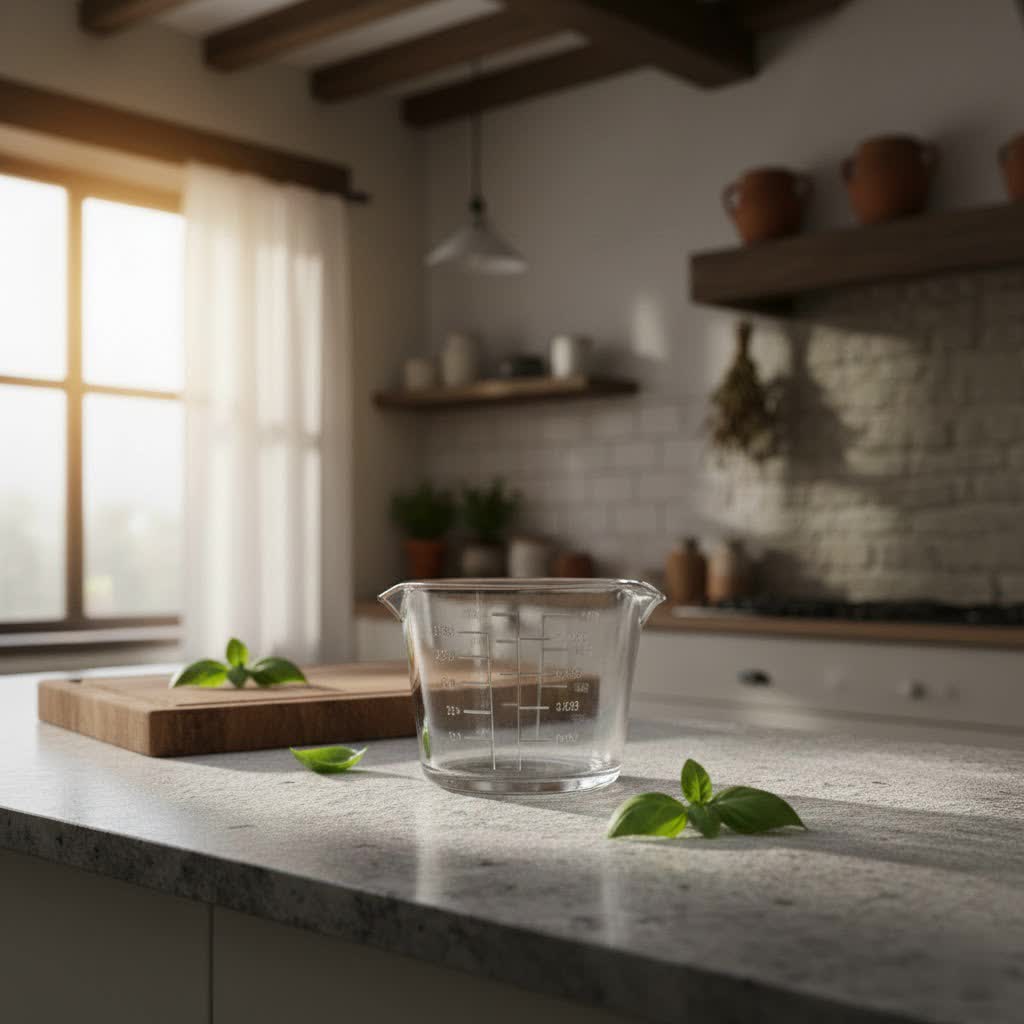
From crafting the perfect cocktail to precisely measuring extracts for baking or achieving the ideal espresso shot, a shot glass measuring cup ensures consistency and excellence. It bridges the gap between a standard measuring spoon and a full-sized measuring cup, providing detailed gradations for ounces, milliliters, tablespoons, and teaspoons. This guide will delve into everything you need to know about these compact powerhouses, helping you select the best one to elevate your kitchen and bar endeavors.
Understanding the Shot Glass Measuring Cup
A shot glass measuring cup is a small, typically cylindrical vessel specifically designed to hold and precisely measure small quantities of liquids. While traditional shot glasses are primarily for serving single portions of spirits, those with measurement markings transform into invaluable tools for exacting culinary and beverage preparation. They typically feature clear, easy-to-read lines for various units, allowing for accurate pours of ingredients that are too small for larger measuring cups but too large or frequent for measuring spoons.
Types of Shot Glass Measuring Cups
The market offers a range of shot glass measuring cups, primarily distinguished by their material and specialized features. Understanding these types will help you determine which best suits your needs for durability, heat resistance, and visibility.
Glass Measuring Shot Cups
Glass is the most common and often preferred material for measuring shot cups due to its clarity, durability, and non-reactive nature.
-
Advantages:
- Visibility: Transparent glass allows for crystal-clear viewing of liquid levels, making precise measurement straightforward.
- Heat Resistance: Many glass measuring cups, especially those made from borosilicate glass, can withstand significant temperature changes without cracking, ideal for hot liquids like espresso or melted butter.
- Non-Reactive: Glass does not absorb colors or odors from ingredients, ensuring no cross-contamination of flavors.
- Easy to Clean: Typically dishwasher safe and resistant to staining, maintaining hygiene is simple.
- Durability: Tempered glass variants are robust and designed to endure regular use, including the occasional bump on a countertop.
-
Disadvantages:
- Fragility: Despite durability, glass can still break if dropped or subjected to extreme impact.
- Weight: Generally heavier than plastic alternatives.
|
Our Picks for the Best Measuring Cup in 2026
As an Amazon Associate I earn from qualifying purchases.
|
||
| Num | Product | Action |
|---|---|---|
| 1 | Pyrex Essentials (3-Pack) Glass Measuring Cups Set, (1, 2 & 4 Cup) Measuring Cups For Prepping, Baking and Cooking, Preheated Oven, Dishwasher, Freezer, and Microwave Safe |

|
| 2 | Amazon Basics Glass Measuring Cup, Precise 8 Cup Capacity, Clear Kitchen Measuring Tool, 2 L |
|
| 3 | Measuring Cups Set, Liquid Measuring Cups For 3 For Kitchen - BPA Free Plastic Set with Spout Multiple Measurement Scales (Clear) |
|
| 4 | 2 Pack Measuring Cup Set, Includes 250Ml (1-Cup), and 500Ml (2-Cup) Plastic Liquid Measuring Cups- Baking, Cooking, Mixing & Measuring Cups, Essential Kitchen Tools |
|
| 5 | Hudson Essentials Stainless Steel Measuring Cups Set (6 Piece Set) |
|
| 6 | OXO Good Grips 2-Cup Angled Measuring Cup |
|
| 7 | OXO Good Grips 3-Piece Angled Measuring Cup Set |
|
| 8 | Pyrex 4-Cup Glass Measuring Cup For Baking and Cooking, Dishwasher, Freezer, Microwave, and Preheated Oven Safe, Essential Kitchen Tools |
|
| 9 | FARBERWARE 5-Piece Measuring Cup Set with Coffee Scoop, Durable Plastic Nesting Measuring Cups with Easy-Read Markings, BPA-Free, Dishwasher Safe |
|
| 10 | 1/3 Cup Measuring Cup, 80ml Stainless Steel Measuring Scoop Gold Coffee Scoop 1/3 Teaspoon with Wooden Handle for Baking Cooking Wet and Dry Ingredients |
|
Plastic Measuring Shot Cups
Plastic shot glass measuring cups offer a lightweight and often more affordable alternative to glass, appealing to those who prioritize shatter resistance.
-
Advantages:
- Lightweight: Easy to handle and ideal for situations where weight is a concern.
- Shatter-Resistant: Less prone to breaking if dropped, making them a safer option in busy environments or around children.
- Affordability: Generally more budget-friendly than their glass counterparts.
-
Disadvantages:
- Staining and Odor Absorption: Plastic can sometimes absorb colors or odors from certain ingredients over time, potentially affecting future measurements.
- Scratch-Prone: The surface can scratch, which may make measurement markings harder to read.
- Heat Sensitivity: Not all plastics are heat-resistant, limiting their use with very hot liquids.
- Marking Fade: Measurement lines on plastic cups can sometimes fade or wear off with repeated washing and use.
Specialty Measuring Shot Cups (e.g., Espresso Shot Glasses)
Beyond general kitchen use, specialized shot glass measuring cups cater to specific tasks, particularly in coffee preparation.
- Espresso Shot Glasses: These are often made from borosilicate glass to withstand the thermal shock of hot espresso. They frequently feature markings tailored for single or double espresso shots, as well as ounces and milliliters, sometimes with convenient pour spouts for seamless transfer to a demitasse cup.
Shot Glass Measuring Cups vs. Traditional Measuring Cups vs. Jiggers
While all these tools serve to measure liquids, their design and primary application differ significantly.
-
Shot Glass Measuring Cup: This tool excels at measuring very small liquid volumes, typically from a few teaspoons up to 3 ounces. Its versatility allows it to function as both a precise measuring device and, if desired, a serving vessel for spirits or espresso. They often have multiple unit markings, making them highly adaptable for diverse kitchen and bar needs.
-
Traditional Measuring Cups (Liquid): Designed for larger volumes, these typically range from 1/2 cup to 4 cups. They are commonly made of glass or plastic and often feature angled internal measurements for easy reading from above. They are indispensable for bulk liquid measurements in cooking and baking but are too large and lack the fine gradations for very small quantities.
-
Jiggers: Primarily a professional bartending tool, jiggers are designed for exact liquor measurements to ensure consistent cocktail recipes. They are often double-sided, with one side for a larger “jigger shot” (commonly 1.5 oz) and the other for a “pony shot” (often 1 oz). While highly accurate, jiggers are typically not used for serving and focus exclusively on specific bar measurements, often lacking the broader range of units found on a shot glass measuring cup.
Choosing the Right Shot Glass Measuring Cup
Selecting the ideal shot glass measuring cup involves considering your primary uses and preferences for material and features.
Consider Your Primary Use
- Cocktails and Bartending: For mixologists, clear glass cups with durable, easy-to-read markings for ounces and milliliters are crucial for consistent drink preparation. A good pour spout is also a benefit.
- Espresso Preparation: Baristas should prioritize borosilicate glass for its thermal shock resistance and seek cups with specific espresso shot volume indicators. Double spouts are a common and useful feature for dividing shots.
- Baking and Cooking: For general kitchen tasks requiring small, precise liquid additions (like extracts, oils, or flavorings), versatility in units (including tablespoons and teaspoons) and a durable, easy-to-clean material are key.
- General Home Bar Use: If you mainly need it for occasional drink mixing or small measurements, a sturdy glass option with basic ounce and milliliter markings will suffice.
Material Matters
- Glass: Opt for glass if clarity, heat resistance, and a non-reactive surface are top priorities. Borosilicate glass is particularly excellent for hot liquids.
- Plastic: Choose plastic for shatter resistance, lightweight handling, and a more budget-friendly option, especially if you don’t frequently work with very hot liquids.
Accuracy and Readability
The value of any measuring tool lies in its accuracy and ease of use.
- Clear Markings: Ensure the measurement lines and numbers are sharply defined, contrasting with the material, and easy to read without straining.
- Permanent Markings: Look for etched, embossed, or baked-on markings that are resistant to fading from repeated washing or vigorous scrubbing.
- Multiple Units: A cup that displays ounces, milliliters, tablespoons, and teaspoons offers the most versatility.
Design and Features
Subtle design elements can greatly enhance usability.
- Pour Spouts: A well-designed spout allows for drip-free pouring, preventing waste and messy countertops.
- Stable Base: A thick, heavy base provides stability, reducing the risk of tipping, especially when handling delicate measurements.
- Dishwasher Safe: For convenience, choose a measuring cup that can be safely cleaned in a dishwasher.
Tips for Using and Maintaining Your Shot Glass Measuring Cup
To ensure the longevity and accuracy of your shot glass measuring cup, proper use and care are essential.
- Measure Accurately: When measuring liquids, always place the cup on a flat, level surface and read the measurement at eye level. This prevents parallax error, where an off-angle view can lead to inaccurate readings. For angled measuring cups, you can read from above, but always ensure the cup is stable.
- Handle Hot Liquids with Care: While borosilicate glass is heat-resistant, extreme temperature changes can still stress any glass. Allow very hot liquids to cool slightly before pouring into a cold glass cup, if possible.
- Clean Promptly: Rinse your measuring cup immediately after use, especially with sticky or oily ingredients, to prevent residue buildup.
- Proper Cleaning: Most glass shot glass measuring cups are dishwasher safe. For plastic cups or those with delicate painted markings, hand washing with mild soap and water may extend their life and preserve the markings. Avoid abrasive scrubbers that could scratch the surface or remove measurements.
- Store Safely: Due to their small size, these cups can easily get lost in crowded drawers. Store them in a designated spot or nest them carefully if they are part of a set to prevent damage.
Conclusion
The shot glass measuring cup, a seemingly small accessory, is a giant in terms of precision and versatility in the kitchen and bar. It empowers you to tackle those crucial small measurements with confidence, ensuring your cocktails are perfectly balanced, your baked goods consistently delicious, and your espresso exactly to your liking. By understanding the different types, considering your specific needs, and following proper care instructions, you can choose a shot glass measuring cup that will become an invaluable tool in your culinary arsenal.
Investing in a high-quality measuring shot glass is more than just buying a new gadget; it’s an investment in the consistent success and enjoyment of your culinary creations. So, are you ready to bring unparalleled precision to your smallest measurements?
Frequently Asked Questions
How many ounces is a standard shot?
A standard single shot in the United States is typically 1.5 fluid ounces (approximately 44 milliliters). However, this can vary slightly by region and establishment.
Can I use a shot glass measuring cup for dry ingredients?
While primarily designed for liquids, a shot glass measuring cup can be used for very small quantities of dry ingredients like spices, especially if it has clear teaspoon and tablespoon markings. However, for larger dry measurements, dedicated dry measuring cups are recommended for optimal accuracy.
Are the markings on measuring shot glasses accurate?
Reputable brands strive for accuracy, but it’s always a good idea to cross-reference with a known accurate measuring tool if precision is critical, especially when baking. Look for cups with clearly etched or baked-on markings as they tend to be more durable and reliable than painted ones.
What’s the difference between a shot glass measuring cup and a jigger?
A shot glass measuring cup is a small vessel with multiple gradations (oz, mL, tbsp, tsp) used for broad small-volume measurement and can also serve as a drinking glass. A jigger is a bar tool, typically hourglass-shaped with two specific capacities (e.g., 1 oz and 1.5 oz), designed solely for precise liquor measurement in cocktails, not typically for serving.
