Precision is the secret ingredient for culinary success, especially in baking, where exact measurements can make or break a recipe. A reliable set of measuring cups is fundamental to any kitchen, but navigating the options can be overwhelming. Understanding the nuances of a “standard measuring cup” – encompassing both liquid and dry varieties – is crucial for achieving consistent and delicious results. This guide will walk you through the different types, materials, and key considerations to help you select the perfect measuring cups for your culinary adventures, ensuring your kitchen is equipped for accuracy and efficiency.
Understanding Standard Measuring Cups: Dry vs. Liquid
While they both measure volume, liquid and dry measuring cups are fundamentally different in their design and intended use. Using the correct type for the appropriate ingredient is paramount for achieving accurate measurements and ensuring your recipes turn out as intended.
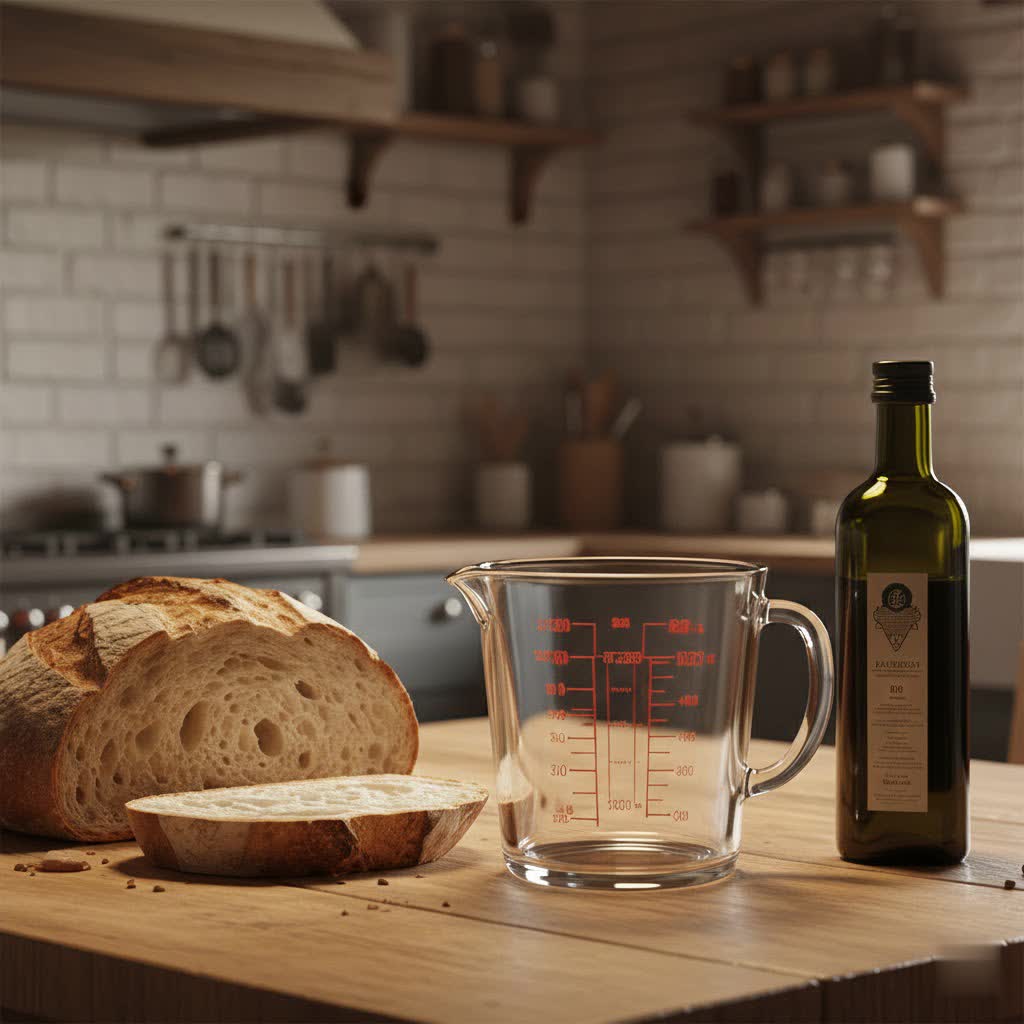
Liquid measuring cups are typically made from clear glass or plastic, featuring a handle and a pour spout. This design allows you to easily pour liquids and read the measurement at eye level by observing the bottom of the meniscus (the curve formed by the liquid’s surface). Standard liquid measuring cups commonly come in 1-cup, 2-cup, and 4-cup capacities, providing ample space above the highest marking to prevent spills.
Dry measuring cups, conversely, usually come in nesting sets made of metal or plastic. They have straight, level rims, designed for you to fill the ingredient to the very top and then level it off with a straight edge, such as a knife or a bench scraper. This method ensures an exact volume of dry ingredients like flour, sugar, or grains. Common sizes for dry measuring cups include 1/4, 1/3, 1/2, and 1 cup. Some comprehensive sets might also include 1/8, 2/3, and 3/4 cup measures for added precision, reducing the need for multiple scoops. It’s also important to note that certain “wet” ingredients that don’t self-level, such as sour cream, peanut butter, or yogurt, are best measured using dry measuring cups to ensure accuracy.
Exploring Different Types of Measuring Cups by Material
The material of your measuring cups significantly impacts their durability, functionality, and suitability for various ingredients.
Glass Measuring Cups
Glass measuring cups are a classic choice, particularly popular for liquids.
- Advantages: Their transparency allows for clear, accurate reading of liquid levels, and the non-porous surface resists stains and odors. Tempered glass varieties are often microwave and oven safe, making them versatile for heating liquids directly. They are also generally easy to clean.
- Disadvantages: Glass is fragile and can break if dropped or subjected to sudden temperature changes. They can also be heavier and more awkward to store than other materials.
|
Our Picks for the Best Measuring Cup in 2026
As an Amazon Associate I earn from qualifying purchases.
|
||
| Num | Product | Action |
|---|---|---|
| 1 | Amazon Basics Glass Measuring Cup, Precise 8 Cup Capacity, Clear Kitchen Measuring Tool, 2 L |

|
| 2 | Pyrex 4-Cup Glass Measuring Cup For Baking and Cooking, Dishwasher, Freezer, Microwave, and Preheated Oven Safe, Essential Kitchen Tools |
|
| 3 | 2 Pack Measuring Cup Set, Includes 250Ml (1-Cup), and 500Ml (2-Cup) Plastic Liquid Measuring Cups- Baking, Cooking, Mixing & Measuring Cups, Essential Kitchen Tools |
|
| 4 | 1/3 Cup Measuring Cup, 80ml Stainless Steel Measuring Scoop Gold Coffee Scoop 1/3 Teaspoon with Wooden Handle for Baking Cooking Wet and Dry Ingredients |
|
| 5 | OXO Good Grips 3-Piece Angled Measuring Cup Set |
|
| 6 | Hudson Essentials Stainless Steel Measuring Cups Set (6 Piece Set) |
|
| 7 | OXO Good Grips 2-Cup Angled Measuring Cup |
|
| 8 | FARBERWARE 5-Piece Measuring Cup Set with Coffee Scoop, Durable Plastic Nesting Measuring Cups with Easy-Read Markings, BPA-Free, Dishwasher Safe |
|
| 9 | Pyrex Essentials (3-Pack) Glass Measuring Cups Set, (1, 2 & 4 Cup) Measuring Cups For Prepping, Baking and Cooking, Preheated Oven, Dishwasher, Freezer, and Microwave Safe |
|
| 10 | Measuring Cups Set, Liquid Measuring Cups For 3 For Kitchen - BPA Free Plastic Set with Spout Multiple Measurement Scales (Clear) |
|
Plastic Measuring Cups
Plastic measuring cups offer a lightweight and often more affordable alternative.
- Advantages: They are shatter-resistant and typically inexpensive, making them a good option for busy kitchens or those on a budget. Some innovative designs, like angled measuring cups, allow for reading measurements from above, reducing the need to stoop down.
- Disadvantages: Plastic can be prone to staining, especially with ingredients like tomato sauce or turmeric. Cheaper plastics may warp in the dishwasher or retain odors over time. Their durability is generally lower than metal or glass. When choosing plastic, look for BPA-free options for health and safety.
Stainless Steel Measuring Cups
Stainless steel measuring cups are a favorite among professional bakers and serious home cooks for dry ingredients.
- Advantages: They are exceptionally durable, resistant to rust, corrosion, and staining, and incredibly easy to clean. Stainless steel doesn’t retain odors and often features permanently etched markings that won’t fade over time. Their sturdy construction provides stability, especially when scooping dense or sticky ingredients.
- Disadvantages: The opaque nature of stainless steel makes them unsuitable for accurately measuring liquids at eye level. They can also be a higher initial investment compared to plastic.
Electronic Measuring Cups
While not a traditional “cup” in the leveling sense, electronic measuring cups offer a modern approach to precision.
- Advantages: These devices often combine a cup with a built-in digital scale, providing highly accurate measurements by weight (grams or ounces) rather than volume. This is particularly beneficial for baking, where weight measurements are often more precise than volumetric ones. They feature a clear digital display for easy reading.
- Disadvantages: Electronic measuring cups require batteries, which need to be replaced. They are typically more expensive than traditional cup sets and may not offer the same tactile experience for traditional leveling methods.
Comparing Standard Measuring Cups: What Matters Most
Choosing the ideal measuring cup involves weighing various factors. Here’s a comparison to help you make an informed decision:
| Feature | Glass Measuring Cups | Plastic Measuring Cups | Stainless Steel Measuring Cups | Electronic Measuring Cups |
|---|---|---|---|---|
| Material | Tempered glass | BPA-free plastic | 18/8 stainless steel | Plastic/Stainless steel with electronics |
| Durability | Good, but fragile | Fair, prone to warping/staining | Excellent, highly resistant to damage | Good, but electronic components can be delicate |
| Accuracy | Excellent for liquids (meniscus) | Good for liquids (angled designs improve) | Excellent for dry (leveling) | Superior for weight, good for volume conversion |
| Readability | Clear visibility, sometimes faded markings | Clear markings, often with angled views | Etched markings (permanent), opaque contents | Digital display (very clear) |
| Ease of Cleaning | Very easy, non-porous, dishwasher safe | Easy, but can stain/retain odors, dishwasher safe | Very easy, hygienic, dishwasher safe | Varies, electronic parts may not be immersible |
| Price | Moderate to high | Low to moderate | Moderate to high | High |
| Key Features | Pour spout, handle, microwave safe | Lightweight, angled markings, ergonomic handles | Nesting, sturdy, aesthetic, magnetic handles | Digital display, unit conversion, tare function |
> “While they may hold virtually the same volume, it’s the mechanics of measuring that make them different and equally necessary.” – Dan Langan, Professional Pastry Instructor.
How to Choose the Right Standard Measuring Cup for Your Kitchen
Making the right choice depends on your specific cooking and baking habits.
Assess Your Usage Needs
Consider what you primarily cook and bake. For avid bakers, precision is non-negotiable, often favoring a combination of accurate dry and liquid cups, or even a kitchen scale for ultimate accuracy. For everyday cooking, versatility and durability might be higher priorities. Think about the types of ingredients you frequently measure—are they mostly liquids, dry goods, or sticky, viscous items? Also, consider the capacities you’ll need; while standard sets cover most recipes, specialized sizes like 2/3 or 3/4 cup can simplify certain measurements.
Prioritize Material and Design
Match the material to its primary function. Glass measuring cups are unparalleled for liquid ingredients due to their clarity and pour spouts, allowing you to easily read the meniscus at eye level. For dry ingredients, stainless steel is the superior choice for its durability and the ease with which you can level ingredients precisely. Look for features like sturdy, comfortable handles, well-designed pour spouts that minimize drips, and nesting capabilities for efficient storage. Magnetic handles on dry measuring cup sets can also be a game-changer for keeping them organized.
Verify Accuracy and Readability
Accuracy is the cornerstone of successful measuring. Ensure that your chosen measuring cups have clear, high-contrast markings that are easy to read and won’t fade over time. Etched markings on stainless steel are typically the most durable. You can test the accuracy of your measuring cups at home: one cup of water should weigh approximately 236.6 milliliters (or 0.52 pounds). By weighing an empty cup and then weighing it filled with water, you can verify its calibration. For liquids, ensure the markings are visible from different angles, and for dry cups, check that the rims are perfectly flat for accurate leveling.
Consider Brands and Durability
Invest in reputable brands known for their quality and consistent manufacturing. Read reviews and look for measuring cups made with robust construction, such as thick-gauge stainless steel that won’t bend or warp, and well-attached handles that won’t loosen or break. Durable measuring cups are a long-term investment that will withstand frequent use and cleaning, saving you money and frustration in the long run.
Expert Tips for Using and Maintaining Your Measuring Cups
Even with the best tools, proper technique and care are essential for consistent results and longevity.
- Accurate Liquid Measurement: Always place your liquid measuring cup on a flat, level surface before pouring. Bend down to eye level to read the measurement at the bottom of the meniscus.
> “If you’re holding the cup, the ingredient can slosh around and make it hard to know exactly where the liquid lands in the cup.” – Zoë François, Pastry Chef and Baker. - Precise Dry Measurement: For most dry ingredients, use the “scoop and level” method: overfill the cup with your ingredient, then use the back of a straight edge (like a knife or a bench scraper) to level off the excess. Avoid packing down flour unless the recipe specifically calls for “packed flour” (e.g., brown sugar), as this can significantly alter the quantity.
- Care and Cleaning: Most glass and stainless steel measuring cups are dishwasher safe, making cleanup a breeze. However, for measuring cups with printed markings, hand washing can help preserve the visibility of the lines over time. Plastic cups should be checked for dishwasher safety, as some can warp under high heat. Ensure all cups are thoroughly dry before storing to prevent water spots or rust (for steel).
- Storage Solutions: To keep your kitchen organized and your measuring cups easily accessible, look for sets that nest neatly or come with a ring or magnetic feature to keep them together. Proper storage also helps prevent damage to the cups and their markings.
Conclusion
A high-quality, accurate standard measuring cup set is an indispensable asset for any home cook or baker. By understanding the distinct purposes of liquid and dry measuring cups and considering materials like glass, plastic, and stainless steel, you can make an informed choice that elevates your culinary precision. Investing in durable, easy-to-read tools ensures consistent results and makes your time in the kitchen more enjoyable and successful. Choose wisely, practice good measuring techniques, and you’ll unlock a world of culinary possibilities. What delicious creations will you bake or cook next with your perfectly measured ingredients?
Frequently Asked Questions
What is the most accurate way to measure ingredients?
While volumetric measuring cups are common, weighing ingredients with a digital kitchen scale is generally considered the most accurate method, especially for baking. For volume measurements, always use the correct type of measuring cup (liquid for liquids, dry for dry ingredients) and proper technique.
Can I use a dry measuring cup for liquids?
While technically possible, it is not recommended for precise measurements. Dry measuring cups lack a pour spout and the necessary headspace above the measurement line, making it difficult to read accurately at eye level and prone to spills. This can lead to significant measurement errors.
How can I check if my measuring cups are accurate?
You can test accuracy using a digital kitchen scale. For liquid measuring cups, fill a 1-cup measure with water. A truly accurate cup should hold approximately 236.6 grams (or 8 fluid ounces/0.52 pounds) of water. For dry measuring cups, you can do a similar test with granulated sugar; one cup should weigh around 7 ounces.
Why do some recipes specify “packed” brown sugar?
“Packed” brown sugar refers to pressing the sugar firmly into the measuring cup to remove air pockets. This ensures a consistent density and provides a greater quantity of sugar compared to lightly scooped brown sugar. It’s crucial for achieving the intended texture and sweetness in recipes.
What sizes of measuring cups are considered “standard”?
For dry ingredients, standard sets typically include 1/4 cup, 1/3 cup, 1/2 cup, and 1 cup. For liquid ingredients, common standard sizes are 1-cup, 2-cup, and 4-cup measures. Many comprehensive sets also include additional sizes like 1/8 cup, 2/3 cup, or 3/4 cup for enhanced precision.
