The kitchen is a laboratory of flavors, and precision is paramount to culinary success, especially when it comes to liquid ingredients. For over a decade, my work as a technician reviewing kitchen appliances has continually brought me back to one fundamental tool: the liquid measuring cup. Among the various types, the glass liquid measuring cup stands out as an indispensable workhorse, offering clarity, durability, and reliability that few alternatives can match. This comprehensive guide will equip you with everything you need to know to select, use, and care for the perfect glass liquid measuring cup for your culinary adventures.
Understanding Different Types of Liquid Measuring Cups
While this guide champions the glass liquid measuring cup, it’s helpful to understand the landscape of measuring tools available. Each material offers distinct advantages and disadvantages, influencing performance, durability, and user experience.
Glass Measuring Cups: The Clear Choice for Liquids
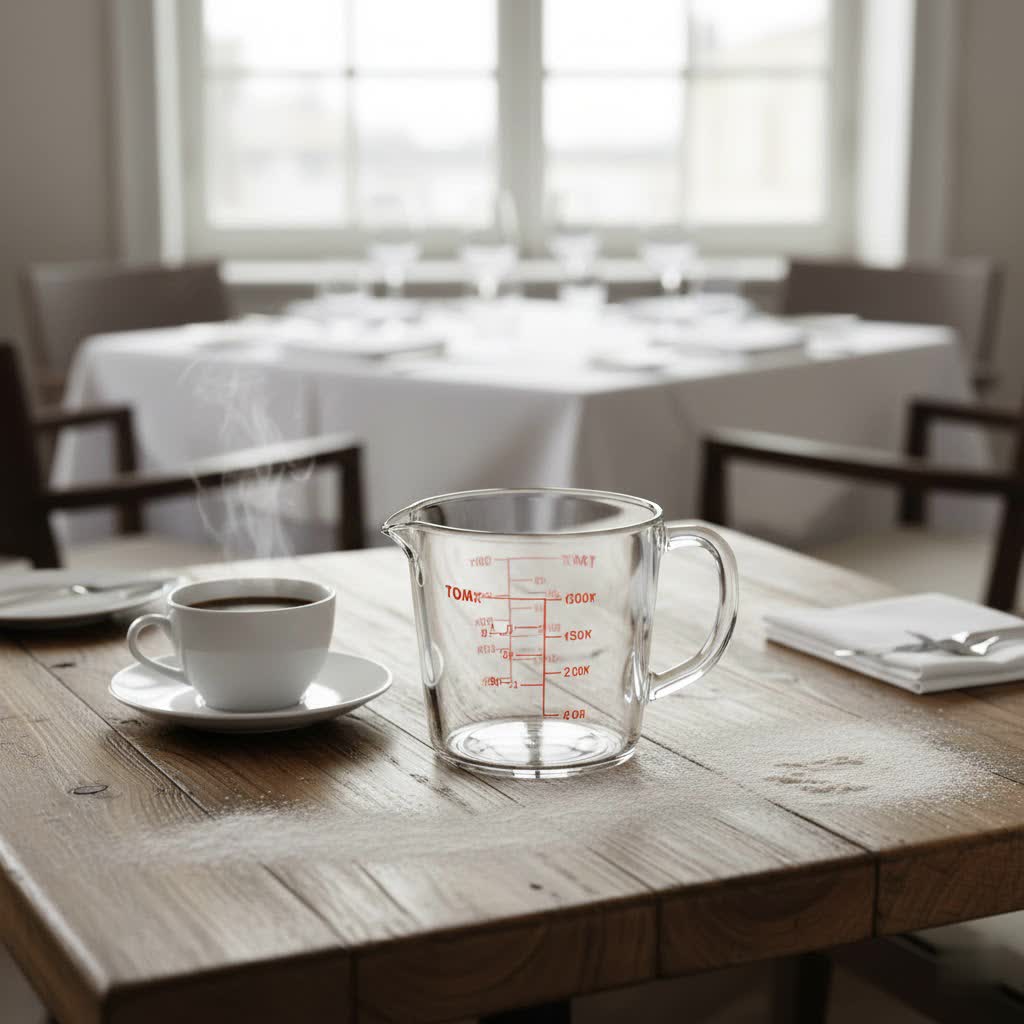
Glass measuring cups are the traditional and often preferred choice for liquids. Their transparent nature allows for accurate reading of the meniscus, the curved surface of a liquid, ensuring precise measurements.
- Tempered Glass: Brands like Pyrex and Anchor Hocking commonly use tempered glass. This type is known for its robustness, resistance to shattering, and ability to withstand moderate temperature changes. It’s typically safe for microwave, oven, freezer, and dishwasher use, making it incredibly versatile for various kitchen tasks, from melting butter to heating sauces. However, the measurement markings on tempered glass can sometimes fade over time with repeated dishwasher cycles, and the thick walls, while durable, can occasionally lead to less precise pouring from the spout.
- Borosilicate Glass: Considered a premium option, borosilicate glass (found in brands like Great Jones and Simax) offers superior resistance to thermal shock. This means it can handle rapid temperature changes better than tempered glass, making it ideal for moving from extreme cold to hot or vice-versa without the risk of cracking. Borosilicate glass shares the general benefits of tempered glass, including durability and ease of cleaning, though its higher manufacturing cost often translates to a higher price point.
|
Our Picks for the Best Measuring Cup in 2026
As an Amazon Associate I earn from qualifying purchases.
|
||
| Num | Product | Action |
|---|---|---|
| 1 | 1/3 Cup Measuring Cup, 80ml Stainless Steel Measuring Scoop Gold Coffee Scoop 1/3 Teaspoon with Wooden Handle for Baking Cooking Wet and Dry Ingredients |

|
| 2 | 2 Pack Measuring Cup Set, Includes 250Ml (1-Cup), and 500Ml (2-Cup) Plastic Liquid Measuring Cups- Baking, Cooking, Mixing & Measuring Cups, Essential Kitchen Tools |
|
| 3 | Hudson Essentials Stainless Steel Measuring Cups Set (6 Piece Set) |
|
| 4 | OXO Good Grips 2-Cup Angled Measuring Cup |
|
| 5 | Measuring Cups Set, Liquid Measuring Cups For 3 For Kitchen - BPA Free Plastic Set with Spout Multiple Measurement Scales (Clear) |
|
| 6 | Pyrex Essentials (3-Pack) Glass Measuring Cups Set, (1, 2 & 4 Cup) Measuring Cups For Prepping, Baking and Cooking, Preheated Oven, Dishwasher, Freezer, and Microwave Safe |
|
| 7 | Pyrex 4-Cup Glass Measuring Cup For Baking and Cooking, Dishwasher, Freezer, Microwave, and Preheated Oven Safe, Essential Kitchen Tools |
|
| 8 | Amazon Basics Glass Measuring Cup, Precise 8 Cup Capacity, Clear Kitchen Measuring Tool, 2 L |
|
| 9 | OXO Good Grips 3-Piece Angled Measuring Cup Set |
|
| 10 | FARBERWARE 5-Piece Measuring Cup Set with Coffee Scoop, Durable Plastic Nesting Measuring Cups with Easy-Read Markings, BPA-Free, Dishwasher Safe |
|
Plastic Measuring Cups: Lightweight and Convenient
Plastic liquid measuring cups are popular for their lightweight design and resistance to breakage when dropped. Some innovative designs, like OXO’s angled cups, allow for reading measurements from above. However, plastic can absorb odors and stains over time, may warp in dishwashers or with hot liquids, and its measurement markings are highly prone to fading or scratching off quickly.
Stainless Steel Measuring Cups: Best for Dry Ingredients
While exceptionally durable and aesthetically pleasing, stainless steel measuring cups are best suited for dry ingredients where the “scoop and sweep” method is applied. They lack the transparency needed to accurately measure liquid volumes at eye level and typically don’t feature pour spouts, making them impractical for liquid measurement.
Comparing Liquid Measuring Cup Materials
Choosing the right material is crucial for both accuracy and longevity. Here’s a detailed comparison:
| Feature | Glass Liquid Measuring Cup (Tempered/Borosilicate) | Plastic Liquid Measuring Cup | Stainless Steel Measuring Cup (for liquids) |
|---|---|---|---|
| Material | Tempered or Borosilicate Glass | Polypropylene or similar plastics | Stainless Steel |
| Durability | High (shatter-resistant, scratch-resistant) | Moderate (prone to scratching, warping) | Very High (virtually indestructible) |
| Accuracy | Excellent (clear visibility of meniscus, precise markings) | Good (can be angled for easier overhead reading), markings fade | Poor (no visibility for meniscus, difficult to level) |
| Heat Resistance | High (microwave, oven, freezer safe for most) | Low (can warp, melt with hot liquids/microwaving) | High (but not typically used for heating liquids directly) |
| Stain/Odor | Resists stains and odors | Prone to staining and odor absorption | Resists stains and odors |
| Visibility | Excellent (transparent for clear liquid levels) | Good (transparent for liquid levels) | None (opaque, unsuitable for liquid levels) |
| Ease of Cleaning | High (dishwasher safe, smooth surface) | Moderate (can stain, some designs harder to clean) | High (dishwasher safe, smooth surface) |
| Weight | Heavier, especially when full | Lightweight | Heavy |
| Cost | Moderate to High | Low to Moderate | Moderate to High (for sets) |
How to Choose the Best Glass Liquid Measuring Cup
Selecting the right glass liquid measuring cup involves considering several factors beyond just material.
1. Determine Your Usage Needs
Before diving into options, consider how you’ll primarily use your measuring cup.
- What will you be measuring? (Water, milk, oil, sticky syrups, hot broths?)
- What capacities do you frequently need? Most home cooks benefit from a set that includes 1-cup, 2-cup, and 4-cup sizes, allowing for versatility in various recipes.
- Will you be microwaving or heating ingredients directly in the cup? If so, prioritize glass for its heat resistance.
2. Prioritize Material and Durability
The choice between tempered and borosilicate glass is key. While both are durable, borosilicate offers superior thermal shock resistance, making it a safer bet if you frequently transition from cold to hot or vice-versa. Tempered glass is a perfectly robust option for most everyday tasks. Always look for thick, sturdy glass that feels substantial in your hand, signaling quality and resistance to accidental knocks.
3. Focus on Accuracy and Readability
A measuring cup is only as good as its markings.
- Clear, Distinct Markings: Ensure the measurement lines are sharp, easy to distinguish, and include common units like cups, ounces, and milliliters.
- Visibility: The glass should be perfectly clear, without any distortions or tints that could hinder accurate readings.
- Consider Angled Interiors: While more common in plastic, some glass designs may incorporate features that allow for easier reading from above, reducing the need to bend down to eye level.
- Permanent Markings: Some higher-quality glass measuring cups feature etched or baked-on markings that are more resistant to fading than printed ones, a common complaint with many brands over time.
4. Evaluate Ergonomics and Design
The usability of a measuring cup heavily relies on its design.
- Comfortable Handle: A sturdy, ergonomic handle that provides a secure grip, even when the cup is full and heavy, is essential. Some models feature silicone grips for added comfort and non-slip security.
- Efficient Pour Spout: A well-designed spout allows for drip-free pouring, preventing messes and ensuring every drop goes where it’s intended. Thick, blunt spouts can sometimes lead to spills.
- Stability: A wide, flat base will prevent the cup from easily tipping over, especially when placed on a countertop for accurate measurement.
5. Research Reputable Brands
Brands like Pyrex, Anchor Hocking, and OXO (for their glass line, or angled plastic for specific needs) have long-standing reputations for producing reliable kitchenware. Reading recent user reviews can provide insights into current product quality, especially regarding common issues like fading markings.
“A good glass measuring cup is more than just a tool; it’s an extension of your culinary intent. It should feel robust, offer unwavering clarity, and simplify the often-fussy task of liquid measurement.” – Chef Isabella Rossi, Culinary Arts Instructor
Tips for Using and Maintaining Your Glass Liquid Measuring Cup
Even the best measuring cup benefits from proper usage and care to ensure its longevity and continued accuracy.
Mastering Accurate Measurement
- Flat Surface is Key: Always place your liquid measuring cup on a flat, level surface before pouring. Holding it in your hand can lead to inaccurate readings as liquids slosh and settle unevenly.
- Eye-Level Reading: Bend down to eye level with the measurement line you intend to reach. Do not read from above or below.
- The Meniscus: For clear liquids, read the measurement at the bottom of the meniscus (the slight curve formed by the liquid’s surface). For opaque liquids, read at the top of the level.
- For Sticky Liquids: When measuring viscous liquids like honey or molasses, lightly spray the inside of your glass measuring cup with non-stick cooking spray. This allows the liquid to slide out effortlessly, ensuring you get the full amount without sticky residue.
- Don’t Interchange with Dry Cups: Liquid and dry measuring cups are designed differently for a reason. Always use a liquid measuring cup for liquids to ensure precise volume.
Optimal Cleaning and Storage
Proper care will keep your glass measuring cup pristine and its markings intact for years.
- Gentle Washing: Wash your glass measuring cup with mild dish soap and a soft sponge or cloth. Pay attention to the handle and spout areas.
- Avoid Abrasives: Steer clear of abrasive scrubbers, harsh chemicals, or scouring pads, as these can scratch the glass surface and, more importantly, wear away printed measurement markings.
- Rinse Thoroughly: Ensure all soap residue is rinsed off to prevent streaks and cloudiness.
- Air Dry or Soft Cloth: Allow your cup to air dry or gently wipe it with a soft, lint-free cloth to prevent water spots, especially in areas with hard water.
- Dishwasher Use (with Caution): While many glass measuring cups are dishwasher safe, repeated cycles, particularly with harsh detergents, can accelerate the fading of printed markings. Hand washing is generally recommended to preserve these lines. If using a dishwasher, consider placing it on the top rack and using a gentler cycle. Applying a layer of clear nail polish over the markings (once thoroughly clean and dry) can sometimes offer a protective barrier.
- Address Stains and Cloudiness: For stubborn stains, create a paste with baking soda and water and gently rub. For hard water deposits or cloudiness, soak the cup in a solution of equal parts white vinegar and water for a few hours, then rinse well.
- Prevent Thermal Shock: Glass, especially tempered glass, can be sensitive to sudden extreme temperature changes. Avoid pouring very hot liquids into a cold cup or placing a hot cup directly onto a cold countertop. Allow hot cups to cool gradually before washing in cold water. Borosilicate glass is more forgiving in this regard.
- Proper Storage: Store your glass measuring cups upright in a dedicated cabinet or shelf to prevent them from tipping or chipping. Nesting cups can save space, but ensure they fit well to avoid scratches.
Conclusion
The glass liquid measuring cup is a cornerstone of an efficient and accurate kitchen. Its unparalleled clarity, durability, and resistance to odors and stains make it a superior choice for any home cook or professional baker. By understanding the nuances of tempered versus borosilicate glass, prioritizing clear and permanent markings, and following best practices for use and maintenance, you can ensure your measuring cup remains a reliable companion for countless recipes to come. Invest wisely in this foundational tool, and you’ll find precision and ease becoming hallmarks of your culinary endeavors.
What delicious creation will you measure out first with your perfectly chosen glass liquid measuring cup?
Frequently Asked Questions
Why choose a glass liquid measuring cup over plastic?
Glass liquid measuring cups offer superior durability, heat resistance (allowing for microwave use), and resistance to staining and odor absorption. Their clear nature ensures accurate measurement readings, and markings are often more resilient than those on plastic, which can fade quickly.
Can I use my glass measuring cup in the microwave and oven?
Most glass liquid measuring cups, especially those made from tempered or borosilicate glass, are safe for use in the microwave and oven. Always check the manufacturer’s instructions for specific temperature limits and recommendations to ensure safety and prevent damage.
How can I prevent the measurement markings on my glass measuring cup from fading?
To best preserve the measurement markings, hand washing with mild dish soap and a soft sponge is highly recommended. If using a dishwasher, place the cup on the top rack and avoid harsh detergents. Some users also apply a thin coat of clear nail polish over the markings once the cup is clean and dry for added protection.
What is the difference between tempered and borosilicate glass in measuring cups?
Tempered glass is durable and resistant to breakage, suitable for everyday use, and generally safe for moderate temperature changes. Borosilicate glass, however, offers superior resistance to thermal shock, making it more robust against rapid temperature shifts (e.g., from freezer to microwave) without cracking.
How do I accurately measure liquids, especially for baking?
For accurate liquid measurement, place the cup on a flat, level surface and bend down to eye level with the desired measurement line. Read the bottom of the meniscus (the curve of the liquid’s surface). Ensure you have enough head space in the cup to prevent spills.
