In the world of home cooking and baking, precision is the secret ingredient that elevates ordinary dishes to extraordinary delights. While larger measurements often take center stage, the humble 1/4 measuring cup plays an indispensable role, especially when dealing with potent spices, leavening agents, or minor liquid additions. Understanding this essential tool isn’t just about owning one; it’s about mastering its nuances to ensure every recipe you tackle turns out exactly as intended, every single time.
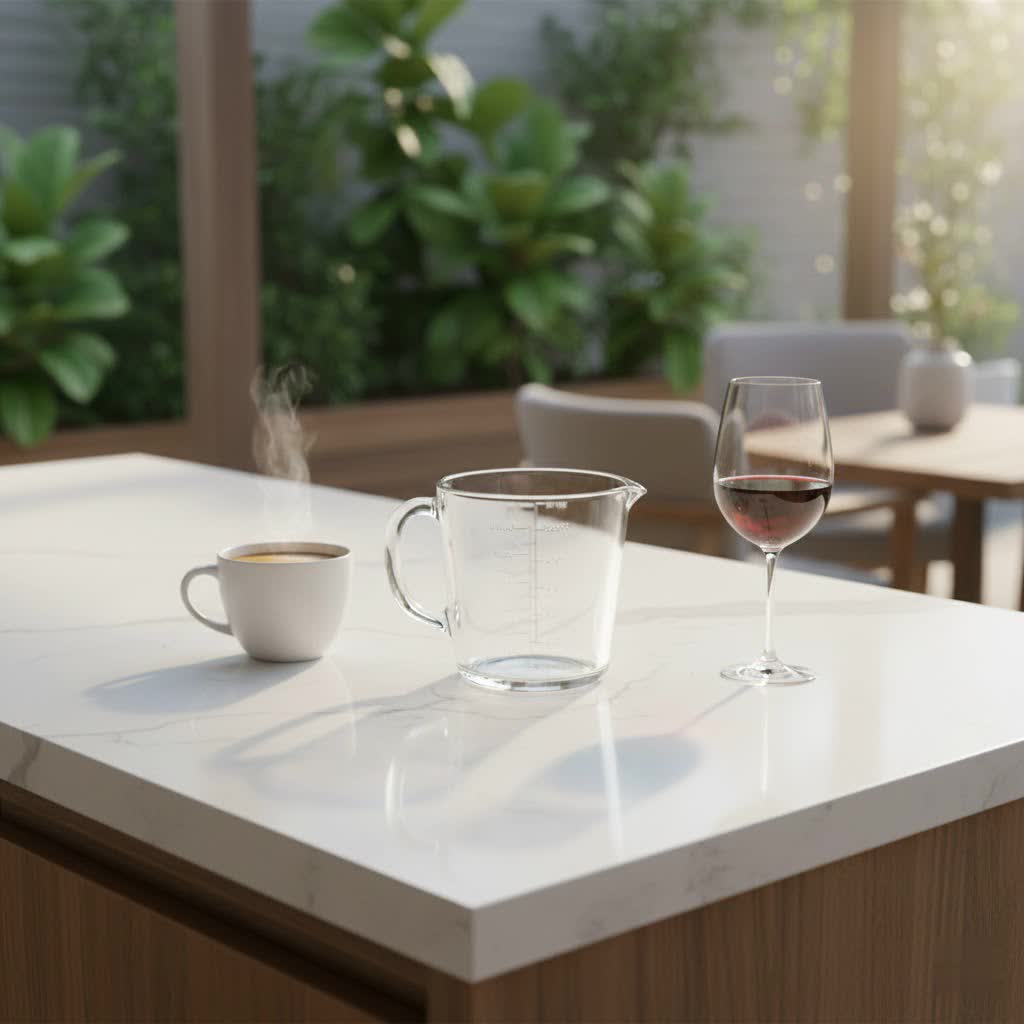
This guide will delve into everything you need to know about the 1/4 measuring cup, from its fundamental conversions and various types to best practices for accurate measurement and smart alternatives when you’re caught without one. By the end, you’ll be equipped with the knowledge to confidently use your 1/4 cup, ensuring flawless results and a more enjoyable culinary journey.
Understanding the 1/4 Measuring Cup
The 1/4 measuring cup is a fundamental kitchen tool, representing one-quarter of a standard full cup measurement. Its small capacity makes it ideal for accurately portioning smaller amounts of both dry and liquid ingredients. Think of spices, baking powder, vanilla extract, or a touch of oil – scenarios where even a slight over or under-measurement can significantly impact the final flavor, texture, and rise of your culinary creations.
This small yet mighty tool ensures that sensitive ratios in recipes, particularly in baking where chemistry is key, are maintained. It’s an indispensable part of any complete measuring set, bridging the gap between tiny spoon measurements and larger cup volumes.
Key Conversions for Your 1/4 Measuring Cup
Knowing the various equivalents for a 1/4 cup can be a lifesaver when you’re missing a specific measuring tool or need to adjust recipes on the fly. These conversions are based on the U.S. customary system, widely used in American recipes.
- 1/4 cup to tablespoons: There are 4 tablespoons in a 1/4 cup. This is arguably the most common and useful conversion, as tablespoons are often readily available.
- 1/4 cup to teaspoons: Since one tablespoon equals three teaspoons, a 1/4 cup equates to 12 teaspoons (4 tablespoons x 3 teaspoons/tablespoon). While more tedious, it’s a valuable backup.
- 1/4 cup to fluid ounces: For liquid ingredients, 1/4 cup is equivalent to 2 fluid ounces.
- 1/4 cup to milliliters: In the metric system, a 1/4 cup is approximately 59 milliliters. This conversion is crucial when working with international recipes.
These conversions offer flexibility and confidence in the kitchen. If a recipe calls for 4 tablespoons of an ingredient, you can grab your 1/4 cup. Conversely, if you need 1/4 cup but only have tablespoons, four scoops will do the trick.
Types of Measuring Cups and How a 1/4 Cup Fits In
Measuring cups come in various materials, each offering distinct advantages and disadvantages. Your 1/4 cup will typically be part of a larger set or sold individually, designed for specific ingredient types.
Glass Measuring Cups
- Pros: Glass measuring cups are excellent for liquids. Their transparent nature allows for precise, eye-level reading. They are heat-resistant, making them suitable for warm liquids, and exceptionally easy to clean without retaining odors or stains.
- Cons: The primary drawback is their fragility; they can break if dropped. They can also be heavier and more expensive than plastic alternatives.
- Best Use: Primarily for liquids, such as milk, water, oil, or broth. Their clear markings and pour spouts make them ideal for this purpose.
|
Our Picks for the Best Measuring Cup in 2026
As an Amazon Associate I earn from qualifying purchases.
|
||
| Num | Product | Action |
|---|---|---|
| 1 | Pyrex 4-Cup Glass Measuring Cup For Baking and Cooking, Dishwasher, Freezer, Microwave, and Preheated Oven Safe, Essential Kitchen Tools |

|
| 2 | 2 Pack Measuring Cup Set, Includes 250Ml (1-Cup), and 500Ml (2-Cup) Plastic Liquid Measuring Cups- Baking, Cooking, Mixing & Measuring Cups, Essential Kitchen Tools |
|
| 3 | Measuring Cups Set, Liquid Measuring Cups For 3 For Kitchen - BPA Free Plastic Set with Spout Multiple Measurement Scales (Clear) |
|
| 4 | Amazon Basics Glass Measuring Cup, Precise 8 Cup Capacity, Clear Kitchen Measuring Tool, 2 L |
|
| 5 | OXO Good Grips 2-Cup Angled Measuring Cup |
|
| 6 | Hudson Essentials Stainless Steel Measuring Cups Set (6 Piece Set) |
|
| 7 | FARBERWARE 5-Piece Measuring Cup Set with Coffee Scoop, Durable Plastic Nesting Measuring Cups with Easy-Read Markings, BPA-Free, Dishwasher Safe |
|
| 8 | 1/3 Cup Measuring Cup, 80ml Stainless Steel Measuring Scoop Gold Coffee Scoop 1/3 Teaspoon with Wooden Handle for Baking Cooking Wet and Dry Ingredients |
|
| 9 | Pyrex Essentials (3-Pack) Glass Measuring Cups Set, (1, 2 & 4 Cup) Measuring Cups For Prepping, Baking and Cooking, Preheated Oven, Dishwasher, Freezer, and Microwave Safe |
|
| 10 | OXO Good Grips 3-Piece Angled Measuring Cup Set |
|
Plastic Measuring Cups
- Pros: Plastic measuring cups are generally the most affordable and lightweight option. They are less prone to breaking than glass if dropped, making them a durable choice for busy kitchens.
- Cons: Over time, plastic can absorb odors, stain (especially with colorful ingredients like turmeric or tomato sauce), and may warp with exposure to high heat or repeated dishwasher cycles. The markings can also fade, compromising accuracy.
- Best Use: Versatile for both dry and liquid ingredients, though often preferred for dry components due to their scoop-and-level design.
Stainless Steel Measuring Cups
- Pros: Stainless steel cups are the epitome of durability and longevity. They are robust, non-reactive, and won’t stain, absorb odors, or warp. Their sleek appearance is a bonus for many home cooks. They often come in nested sets, making storage efficient.
- Cons: The main disadvantage is their opaqueness; you cannot see through them, making accurate liquid measurement more challenging without pouring very slowly. They can also be more expensive upfront.
- Best Use: Best for dry ingredients like flour, sugar, and oats. Their sturdy construction holds up well to scooping dense ingredients.
Digital Measuring Cups (Niche)
- Pros: These specialized cups often include an integrated scale, offering highly precise measurements by weight or volume with a digital display. They can be invaluable for advanced baking or specific dietary needs requiring exact quantities.
- Cons: They require batteries, can be more expensive, and may have more parts that need careful cleaning.
- Best Use: For recipes demanding extreme precision, especially when converting between weight and volume is critical.
Choosing the right type often comes down to personal preference, budget, and the primary ingredients you measure. A combination of glass (for liquids) and stainless steel or plastic (for dry) is often the most practical solution for a well-equipped kitchen.
Achieving Accuracy with Your 1/4 Measuring Cup
Accurate measurement is the cornerstone of successful cooking and baking. A 1/4 cup, being a smaller unit, demands particular attention to technique.
For Dry Ingredients (Flour, Sugar, Spices)
- Scoop and Level: Gently spoon the ingredient into the 1/4 cup until it overflows slightly. Then, use the straight edge of a knife or a flat spatula to level off the excess, ensuring a precise measure. Avoid packing down ingredients like flour unless the recipe specifically calls for it, as this can lead to using too much.
- Fluffy vs. Packed: For ingredients like brown sugar, which often need to be packed, press it firmly into the cup with the back of a spoon until it holds its shape when inverted. Always follow the recipe’s specific instructions.
For Liquid Ingredients (Milk, Oil, Water)
- Eye-Level Reading on a Flat Surface: Place your liquid measuring cup on a level counter. Pour the liquid slowly into the cup. Bend down so your eyes are level with the measurement line. This eliminates parallax error, where reading from above or below can give an inaccurate perception of the liquid level.
- Mind the Meniscus: For clear liquids, read the bottom of the meniscus (the slight curve formed by the liquid’s surface).
For Sticky/Viscous Ingredients (Honey, Molasses, Peanut Butter)
- Greasing the Cup: For very sticky ingredients, lightly grease the inside of your 1/4 measuring cup with a little cooking spray or oil before adding the ingredient. This helps the sticky substance slide out easily, ensuring you get the full amount into your mixture.
- Warm Water Trick: For particularly stubborn sticky liquids, you can briefly warm the measuring cup under hot water (and dry it) or lightly coat it with a flavorless oil.
When You Don’t Have a 1/4 Measuring Cup
Even the most organized kitchens sometimes find themselves short a specific measuring tool. Luckily, you have reliable alternatives for a 1/4 cup.
- Using Tablespoons: As established, 1/4 cup equals 4 tablespoons. This is the easiest and most precise substitute. Simply measure out four individual tablespoons of your ingredient.
- Using 1/8 Cup: If your measuring set includes a 1/8 cup, you can use it twice to achieve a 1/4 cup measure. This is a good option if you have it.
- Using Teaspoons: In a pinch, you can measure out 12 teaspoons to make a 1/4 cup. This method is more time-consuming and offers more opportunities for error due to the increased number of scoops, but it’s a viable last resort.
“Accurate measurements are the backbone of consistent culinary results. Even a small error with a 1/4 cup can significantly alter a delicate recipe.” – Chef Elaine Thompson, Culinary Arts Instructor
Choosing the Right 1/4 Measuring Cup
Selecting the best 1/4 measuring cup, whether standalone or as part of a set, can enhance your cooking experience.
- Material: Consider your primary use. Glass for liquids, stainless steel for durability with dry ingredients, or high-quality plastic for a lightweight, affordable option. Many prefer stainless steel dry measuring cups due to their durability and precise leveling edge.
- Clarity of Markings: Ensure the measurement lines (for liquid cups) or embossed labels (for dry cups) are clear, easy to read, and unlikely to fade over time.
- Comfort and Ergonomics: A comfortable handle, especially on liquid measuring cups, makes pouring and handling easier.
- Part of a Set vs. Standalone: Most 1/4 cups come in sets (1 cup, 1/2 cup, 1/3 cup, 1/4 cup, 1/8 cup). Investing in a good quality set ensures consistency across all your measurements.
Maintenance and Care for Your 1/4 Measuring Cup
Proper care extends the life of your measuring tools and maintains their accuracy.
- Cleaning: Always wash your measuring cups immediately after use to prevent ingredients from drying and sticking. Most glass, stainless steel, and good quality plastic measuring cups are dishwasher safe. For sticky ingredients, a pre-soak in warm, soapy water helps immensely.
- Storage: Store measuring cups in a way that protects their markings. Nesting sets are ideal for saving space and preventing damage. Avoid storing plastic cups near heat sources that could cause warping.
- Inspection: Periodically check your cups for any damage, fading markings, or warping, especially with plastic. If accuracy is compromised, it’s time for a replacement.
Conclusion
The 1/4 measuring cup, though small, is an unsung hero in the kitchen, enabling precision that transforms good recipes into truly great ones. From precisely portioning potent spices to ensuring the perfect rise in baked goods, its role is undeniable. By understanding its conversions, choosing the right material, and employing accurate measuring techniques, you empower yourself to cook and bake with confidence and consistency.
Embracing the accuracy offered by this essential tool is a step towards culinary mastery. Remember those key conversions, use proper leveling and eye-level reading, and keep your tools well-maintained. A perfectly measured 1/4 cup can make all the difference.
What’s the one ingredient you find yourself measuring with your 1/4 cup most often, and what impact does its precise measurement have on your favorite dishes?
Frequently Asked Questions
How many tablespoons are in a 1/4 cup?
There are exactly 4 tablespoons in a 1/4 cup. This conversion is one of the most useful for home cooks and bakers when a specific 1/4 cup measure is unavailable or when adjusting recipe quantities.
Can I use a regular spoon to measure 1/4 cup?
While you can technically use regular spoons (like those used for eating) as an emergency last resort, they are not calibrated for precise measurement. It’s strongly recommended to use a set of standard measuring spoons (where 1 tablespoon equals 3 teaspoons) for accuracy, or refer to the conversion of 4 measuring tablespoons for 1/4 cup.
What’s the difference between liquid and dry 1/4 measuring cups?
Dry measuring cups, often made of plastic or metal, are designed to be filled to the brim and leveled off for accuracy. Liquid measuring cups, typically glass or clear plastic with a spout, have markings below the rim, allowing you to read the measurement at eye level to account for the liquid’s meniscus and prevent spills. For a 1/4 cup, the principle remains the same.
Is 1/4 cup the same in US and UK recipes?
No, measuring cup sizes can vary internationally. The information provided typically refers to the U.S. customary cup, which is approximately 236.6 ml. UK (Imperial) cups, if used in older recipes, can be slightly different (e.g., 284 ml). Always be aware of the recipe’s origin and consider using a kitchen scale for more consistent results with international recipes.
