Every culinary enthusiast understands that precision is the secret ingredient to turning good intentions into consistently delicious results. While many home kitchens are equipped with standard measuring cup sets, the humble 3/4 cup often stands out as a unique, yet vital, tool. It’s the unsung hero that ensures perfect proportions in countless recipes, from delicate pastries to savory sauces. Without it, you might find yourself navigating a maze of conversions or combining smaller measures, introducing potential inaccuracies that can lead to kitchen mishaps. This comprehensive guide will illuminate the crucial role of the 3/4 cup measuring cup, explore the various types available, and empower you to choose and utilize this essential instrument like a seasoned professional.
The Undeniable Value of the 3/4 Cup Measuring Cup
In the world of cooking and especially baking, precision isn’t just a suggestion; it’s a scientific necessity. Baking is often likened to chemistry, where even a slight deviation in ingredient ratios can drastically alter the final product. A perfect soufflé can collapse, or cookies can spread into unappetizing pancakes if measurements are off by as little as 10% on flour or liquid. This is where the 3/4 cup measuring cup proves its invaluable worth.
Many recipes, particularly those from international cuisines or specialized baking, frequently call for exactly 3/4 cup of an ingredient. Having a dedicated 3/4 cup saves home chefs from performing mental gymnastics or combining smaller, often less accurate, measures mid-recipe. For instance, when a recipe requires 3/8 cup of an ingredient and you’re doubling it, a 3/4 cup measuring cup allows for one precise scoop, streamlining your workflow and minimizing errors. This efficiency is paramount when managing multiple recipe components simultaneously.
For those moments when a dedicated 3/4 cup isn’t immediately at hand, understanding its common conversions can be a lifesaver. A 3/4 cup holds precisely 6 fluid ounces or 12 tablespoons. This knowledge enables you to improvise with other standard measuring tools if needed, ensuring you never compromise on the exact amounts called for. While some basic measuring cup sets might omit this particular size to simplify their collection, professional and comprehensive sets recognize its importance, including it to enhance accuracy and reduce prep time for discerning cooks.
Exploring Different Types of Measuring Cups
The material and design of your measuring cup significantly impact its accuracy, durability, and suitability for various ingredients. When selecting a 3/4 cup measuring cup, consider how each type aligns with your specific culinary demands.
Glass Measuring Cups
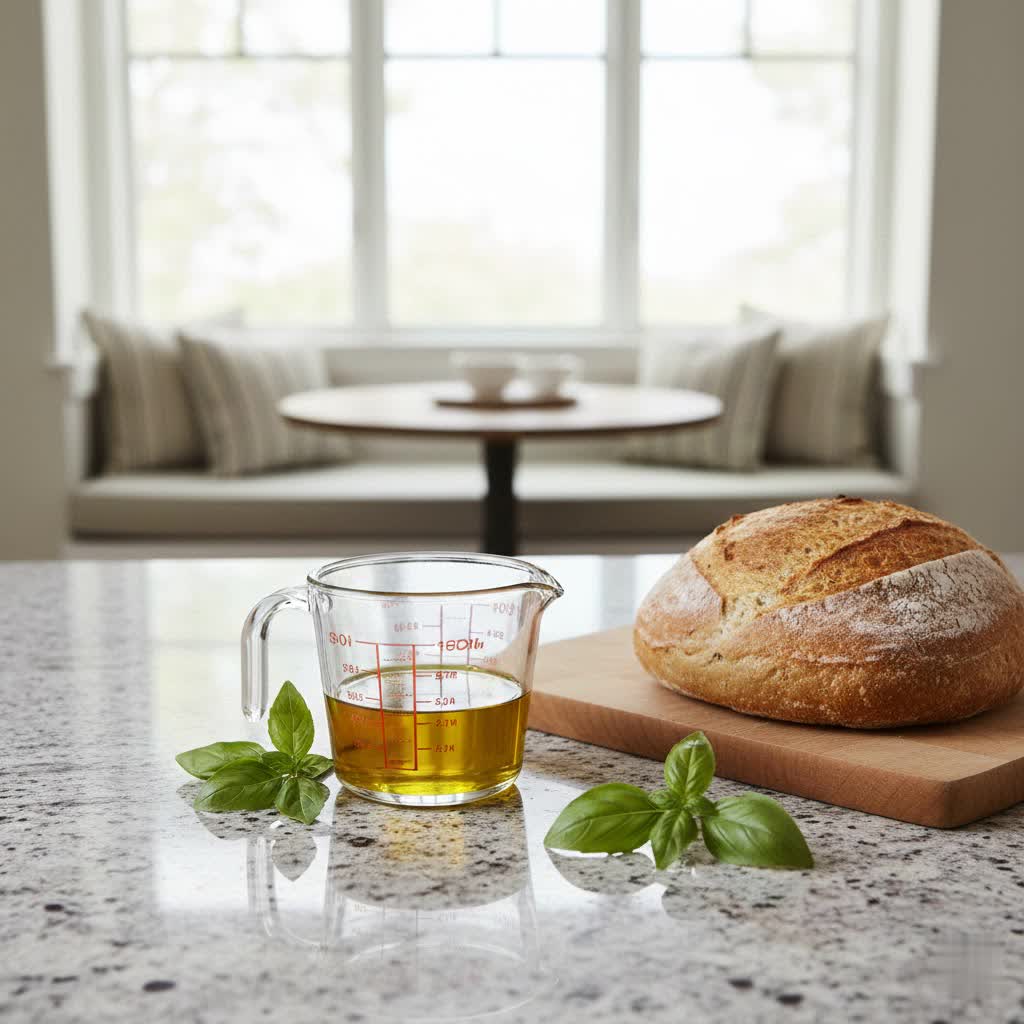
Glass measuring cups are a timeless kitchen staple, particularly favored for liquid ingredients. Their inherent transparency allows for easy, eye-level reading of measurements, which is crucial for achieving accurate liquid volumes by observing the meniscus (the curved surface of the liquid).
- Pros: Clear visibility makes them excellent for liquids; microwave and oven safe for heating or melting ingredients directly; non-porous nature resists stains and odors; generally dishwasher safe for easy cleaning.
- Cons: Can be fragile and prone to breaking if dropped; often heavier than other materials.
- Specific to 3/4 Cup: Ideal for precisely measuring 3/4 cup of milk, water, oil, or broth, especially when microwaving is involved.
|
Our Picks for the Best Measuring Cup in 2026
As an Amazon Associate I earn from qualifying purchases.
|
||
| Num | Product | Action |
|---|---|---|
| 1 | Measuring Cups Set, Liquid Measuring Cups For 3 For Kitchen - BPA Free Plastic Set with Spout Multiple Measurement Scales (Clear) |

|
| 2 | OXO Good Grips 3-Piece Angled Measuring Cup Set |
|
| 3 | Hudson Essentials Stainless Steel Measuring Cups Set (6 Piece Set) |
|
| 4 | Pyrex Essentials (3-Pack) Glass Measuring Cups Set, (1, 2 & 4 Cup) Measuring Cups For Prepping, Baking and Cooking, Preheated Oven, Dishwasher, Freezer, and Microwave Safe |
|
| 5 | Pyrex 4-Cup Glass Measuring Cup For Baking and Cooking, Dishwasher, Freezer, Microwave, and Preheated Oven Safe, Essential Kitchen Tools |
|
| 6 | FARBERWARE 5-Piece Measuring Cup Set with Coffee Scoop, Durable Plastic Nesting Measuring Cups with Easy-Read Markings, BPA-Free, Dishwasher Safe |
|
| 7 | 2 Pack Measuring Cup Set, Includes 250Ml (1-Cup), and 500Ml (2-Cup) Plastic Liquid Measuring Cups- Baking, Cooking, Mixing & Measuring Cups, Essential Kitchen Tools |
|
| 8 | OXO Good Grips 2-Cup Angled Measuring Cup |
|
| 9 | Amazon Basics Glass Measuring Cup, Precise 8 Cup Capacity, Clear Kitchen Measuring Tool, 2 L |
|
| 10 | 1/3 Cup Measuring Cup, 80ml Stainless Steel Measuring Scoop Gold Coffee Scoop 1/3 Teaspoon with Wooden Handle for Baking Cooking Wet and Dry Ingredients |
|
Plastic Measuring Cups
Plastic measuring cups offer a lightweight and budget-friendly alternative. They are widely available in both dry and liquid varieties, with clear versions designed for liquids.
- Pros: Affordable and widely accessible; lightweight and less prone to shattering than glass; many are dishwasher safe.
- Cons: Can stain over time, especially with ingredients like tomato sauce or turmeric; may absorb odors; some plastics can warp in high heat (like dishwashers) or with hot ingredients, leading to inaccuracy; measurement markings can fade over time.
- Specific to 3/4 Cup: A plastic 3/4 cup is a good economical choice, but prioritize quality plastics with clear, durable markings.
Stainless Steel Measuring Cups
Stainless steel measuring cups are a favorite among serious home cooks and professional chefs for their durability and consistent accuracy. They are typically designed for dry ingredients, with flat rims for precise leveling.
- Pros: Extremely durable and resistant to rust, corrosion, and stains; won’t absorb odors or colors; often feature engraved markings that resist fading; generally dishwasher safe; provides a sturdy feel in hand.
- Cons: Not transparent, making them unsuitable for accurate liquid measurement where meniscus reading is required; can be more expensive than plastic.
- Specific to 3/4 Cup: A stainless steel 3/4 cup is an excellent choice for dry ingredients like flour, sugar, or oats, ensuring a perfectly leveled measure every time.
Electronic Measuring Cups
Electronic measuring cups combine the function of a measuring cup with a digital scale, offering a modern approach to precision measurement.
- Pros: Provide highly accurate readings by weight or volume; feature clear digital displays; often include multiple unit conversions (grams, ounces, milliliters, cups) at the touch of a button; can be very versatile.
- Cons: Requires batteries for operation; typically more expensive than traditional cups; can be bulkier to store; some models are not fully immersible for washing.
- Specific to 3/4 Cup: An electronic measuring cup can easily measure 3/4 cup of any ingredient with superior precision, often displaying the exact weight which is preferred for critical baking recipes.
Comparing Measuring Cup Types for Your Kitchen
Choosing the right measuring cup material is a decision that balances durability, accuracy, and ease of use. Below is a detailed comparison to help you find the best fit for your 3/4 cup needs:
| Feature | Glass | Plastic | Stainless Steel | Electronic (Digital Scale) |
|---|---|---|---|---|
| Best Use | Liquids, microwaving | Liquids (clear), dry (basic) | Dry ingredients, heavy ingredients | Any ingredient (weight/volume) |
| Durability | Moderate (breakable) | Low to Moderate (stains, warps) | High (rust-resistant, sturdy) | Moderate (electronics can be delicate) |
| Accuracy | High for liquids (meniscus) | Moderate (markings fade, warps) | High for dry (leveling) | Excellent (digital precision) |
| Visibility | Excellent (clear) | Good (clear for liquids), Poor (solid for dry) | Poor (opaque) | Digital display |
| Heat Resistance | High (microwave/oven safe) | Low (can warp, melt) | High | Varies (electronics sensitive) |
| Ease of Cleaning | High (non-porous, dishwasher safe) | Moderate (can stain, absorb odors) | High (non-porous, dishwasher safe) | Moderate (must protect electronics) |
| Price Range | Medium | Low | Medium to High | High |
| 3/4 Cup Availability | Common (in sets) | Common (in sets) | Very common (in quality sets) | Measures any volume, including 3/4 cup |
When it comes to the 3/4 cup, a dedicated stainless steel dry measure is typically the go-to for solid ingredients, ensuring longevity and unwavering accuracy. For liquids, a clear glass or high-quality plastic liquid measuring cup with clear markings is ideal.
How to Choose the Perfect 3/4 Cup Measuring Cup
Selecting the ideal 3/4 cup measuring cup involves a thoughtful assessment of your cooking habits and priorities.
Determine Your Culinary Needs
Start by considering what you cook or bake most frequently. Do you often follow intricate baking recipes that demand exact dry ingredient measurements? Or are you more likely to be whipping up sauces and soups requiring precise liquid volumes? If you’re a passionate baker, a robust stainless steel 3/4 cup for dry goods is non-negotiable. For frequent beverage making or sauce preparation, a glass liquid measure might be more suitable. Consider the typical quantities you handle; a comprehensive set that includes the 3/4 cup is beneficial for diverse tasks.
Select the Right Material
Based on your needs, choose a material that offers the best balance of accuracy and durability.
- For maximum durability and accuracy with dry ingredients, stainless steel is the superior choice. It will not warp, stain, or retain odors.
- For crystal-clear visibility and the ability to heat ingredients, glass is unmatched for liquids.
- If budget is a primary concern, or if you need something lightweight and less prone to breaking, high-quality plastic can suffice, but be mindful of its limitations regarding staining and warping.
Prioritize Accuracy and Readability
The markings on your measuring cup are critical for precision. Look for:
- Etched or engraved markings on stainless steel cups, as these will never fade, unlike printed ones.
- Clear, bold, and easy-to-read lines on glass and plastic cups.
- For liquid measures, consider angled designs (like those from OXO) that allow you to read measurements from above, eliminating the need to bend down to eye level. A clear glass cup with multiple measurement lines (cups, ounces, milliliters) provides versatility.
- For dry measures, ensure the cup has a flat rim for precise leveling.
Reputable Brands and Sets
Investing in quality pays off in the long run. Seek out brands renowned for their kitchen tools and precision. Brands like OXO, Pyrex, Anchor Hocking, Bellemain, and Sur La Table often receive high ratings for their measuring cup sets. Many of these brands offer comprehensive sets that include the often-overlooked 3/4 cup, ensuring you have every essential size for seamless cooking and baking. Reading user reviews can also provide valuable insights into real-world performance and durability.
Essential Tips for Using and Maintaining Your Measuring Cups
Even the best measuring cup is only as accurate as its user. Master these techniques to ensure consistent, perfect results every time.
Accurate Measurement Techniques
- For Dry Ingredients (e.g., flour, sugar, baking soda): Use a dry measuring cup (like a 3/4 cup stainless steel one). Gently spoon the ingredient into the cup until it’s mounded. Then, use a straight edge (like the back of a knife or a flat spatula) to sweep across the top, leveling off the excess. Never pack down flour unless the recipe specifically calls for “packed.”
- For Liquid Ingredients (e.g., milk, water, oil): Use a liquid measuring cup (preferably glass or clear plastic). Place the cup on a flat, level surface. Pour the liquid until it approaches the desired mark. Then, bend down so your eyes are level with the measurement line to accurately read the bottom of the meniscus (the slight curve in the liquid’s surface).
- For Sticky Ingredients (e.g., honey, peanut butter, sour cream): For very sticky liquids, lightly spray the inside of your 3/4 cup liquid measure with cooking spray or wipe with a thin layer of oil before adding the ingredient. This helps it slide out easily. For sticky solids like peanut butter, use a dry measuring cup and pack it down firmly to eliminate air pockets, then level it off.
- When a 3/4 Cup Is Not Available: If you find yourself without a dedicated 3/4 cup, you can combine a 1/2 cup and a 1/4 cup measure. Alternatively, remember that 3/4 cup is equivalent to 12 tablespoons.
> “Using the right measuring cup for the job is paramount. A dry measuring cup for dry ingredients and a liquid measuring cup for liquids are fundamental to achieving consistent culinary outcomes. Don’t compromise on precision; your recipes will thank you.” – [Your Name/Admin, reviewturtl.com], Kitchen Tool Expert
Care and Storage
Proper care extends the life and accuracy of your measuring cups.
- Cleaning: Most stainless steel, glass, and quality plastic measuring cups are dishwasher safe. However, always check manufacturer instructions. Hand-washing is often recommended for items with printed markings to prevent fading. Ensure all cups are thoroughly dried before storage to prevent water spots or rust (on some lower-grade stainless steel).
- Storage: Many dry measuring cup sets are designed to nest or stack, saving valuable drawer or cabinet space. Some glass liquid measures come with lids, allowing for convenient storage of pre-measured ingredients in the fridge. Keep them organized to prevent damage and ensure they’re easily accessible when needed.
Conclusion
The 3/4 cup measuring cup, far from being an obscure size, is a powerful tool for achieving culinary excellence. It champions precision, streamlines your cooking process, and helps ensure that your recipes turn out perfectly, consistently. By understanding the distinct advantages of materials like glass, plastic, and stainless steel, and recognizing the importance of features like clear, durable markings, you can confidently select the ideal 3/4 cup measuring cup for your kitchen. Embrace the art of accurate measurement, and watch as your cooking and baking reach new heights of delicious perfection. What culinary creation will you tackle next, armed with your perfectly measured ingredients?
Frequently Asked Questions
Why is a 3/4 cup measuring cup included in some sets but not others?
Basic measuring cup sets often omit the 3/4 cup to simplify the collection, assuming users can combine a 1/2 cup and a 1/4 cup. However, comprehensive or professional sets include it to enhance precision and efficiency, saving time and reducing the chances of error, especially in complex recipes or when scaling ingredient amounts.
Can I use a liquid measuring cup for dry ingredients?
While technically possible, it is not recommended for accuracy. Liquid measuring cups have headspace and spouts, making it difficult to level off dry ingredients precisely. This can lead to over- or under-measuring, significantly impacting the texture and consistency of baked goods. Always use dry measuring cups for dry ingredients.
How many tablespoons are in 3/4 cup?
There are 12 tablespoons in a 3/4 cup. This conversion is useful if you need to measure 3/4 cup and only have a tablespoon measure available.
What is the most accurate material for a measuring cup?
For dry ingredients, stainless steel is generally considered the most accurate due to its durability, flat rim for leveling, and resistance to warping or fading markings. For liquid ingredients, clear glass or high-quality plastic with clear, angled markings offers excellent accuracy as it allows for precise eye-level reading of the meniscus.
How do I correctly measure sticky ingredients like peanut butter?
For sticky ingredients such as peanut butter or shortening, use a dry measuring cup. Pack the ingredient firmly into the cup to remove any air pockets, then use a straight edge to level it off. For sticky liquids like honey or syrup, lightly grease the measuring cup with oil or cooking spray before adding the ingredient to ensure it releases cleanly.
