Every home chef, from novice bakers to seasoned culinary experts, understands the critical role of precise measurements in the kitchen. Among the myriad tools available, the humble measuring cup stands out as an indispensable workhorse. Specifically, the 2-cup measuring cup offers a versatile capacity that makes it a staple for countless recipes. If you’re looking for a reliable, accurate, and durable measuring companion, the Pyrex 2 cup measuring cup often comes to mind. But with so many options, how do you choose the right one for your culinary adventures? This comprehensive guide will delve into the world of measuring cups, focusing on the iconic Pyrex 2-cup model, to help you make an informed decision and ensure your kitchen is equipped for success.
Exploring Popular Types of Measuring Cups
Before settling on a specific model like the Pyrex 2 cup, it’s essential to understand the different types of measuring cups available and their unique characteristics. Each material and design offers distinct advantages and disadvantages, catering to various kitchen tasks and personal preferences.
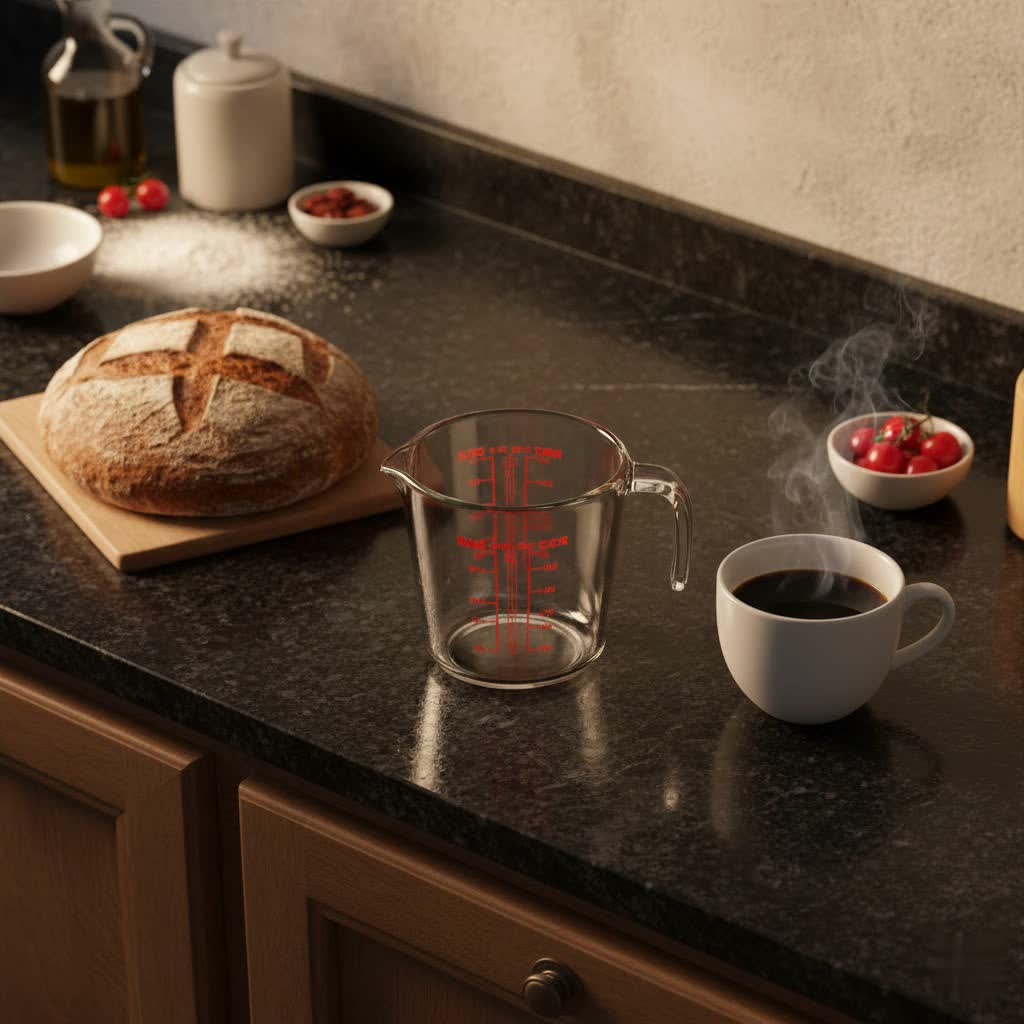
Glass Measuring Cups
Glass measuring cups, with Pyrex being the most recognized brand, are a classic choice for liquid ingredients. Their transparency allows for easy, accurate readings at eye level, ensuring you hit the precise mark every time.
-
Advantages:
- Clarity and Visibility: The primary benefit is the ability to see liquid levels clearly, allowing for accurate measurements.
- Heat Resistance: Tempered glass, like that used in Pyrex, is highly resistant to thermal shock, making it safe for microwave use (for melting butter or heating liquids) and even pre-heated ovens.
- Non-Porous Surface: Glass does not absorb odors, flavors, or stains, maintaining its pristine appearance and preventing cross-contamination of tastes.
- Durability: Historically, Pyrex glass measuring cups have been renowned for their exceptional longevity, often lasting for decades with proper care.
- Comfortable Handling: Many designs feature ergonomic handles and well-designed spouts for easy, spill-free pouring.
- Extra Capacity: Some Pyrex 2-cup models include a slight overflow capacity above the 2-cup mark, reducing the chance of accidental spills.
-
Disadvantages:
- Fragility: While durable, glass is inherently breakable if dropped, which can be a concern in a busy kitchen.
- Fading Markings: A significant and growing concern with newer Pyrex measuring cups is that the printed measurement markings can fade or disappear over time, especially with frequent dishwasher use. This issue has even led to class-action lawsuits, with many users noting a decline in quality compared to older models that boasted incredibly resilient markings. This points to a potential change in manufacturing processes or ink quality.
|
Our Picks for the Best Measuring Cup in 2026
As an Amazon Associate I earn from qualifying purchases.
|
||
| Num | Product | Action |
|---|---|---|
| 1 | OXO Good Grips 3-Piece Angled Measuring Cup Set |

|
| 2 | 1/3 Cup Measuring Cup, 80ml Stainless Steel Measuring Scoop Gold Coffee Scoop 1/3 Teaspoon with Wooden Handle for Baking Cooking Wet and Dry Ingredients |
|
| 3 | Hudson Essentials Stainless Steel Measuring Cups Set (6 Piece Set) |
|
| 4 | Pyrex 4-Cup Glass Measuring Cup For Baking and Cooking, Dishwasher, Freezer, Microwave, and Preheated Oven Safe, Essential Kitchen Tools |
|
| 5 | 2 Pack Measuring Cup Set, Includes 250Ml (1-Cup), and 500Ml (2-Cup) Plastic Liquid Measuring Cups- Baking, Cooking, Mixing & Measuring Cups, Essential Kitchen Tools |
|
| 6 | OXO Good Grips 2-Cup Angled Measuring Cup |
|
| 7 | Amazon Basics Glass Measuring Cup, Precise 8 Cup Capacity, Clear Kitchen Measuring Tool, 2 L |
|
| 8 | Pyrex Essentials (3-Pack) Glass Measuring Cups Set, (1, 2 & 4 Cup) Measuring Cups For Prepping, Baking and Cooking, Preheated Oven, Dishwasher, Freezer, and Microwave Safe |
|
| 9 | FARBERWARE 5-Piece Measuring Cup Set with Coffee Scoop, Durable Plastic Nesting Measuring Cups with Easy-Read Markings, BPA-Free, Dishwasher Safe |
|
| 10 | Measuring Cups Set, Liquid Measuring Cups For 3 For Kitchen - BPA Free Plastic Set with Spout Multiple Measurement Scales (Clear) |
|
Plastic Measuring Cups
Plastic measuring cups are a common, budget-friendly option often found in kitchen drawers. They are typically lightweight and come in a wide array of sizes.
-
Advantages:
- Affordability: Plastic cups are generally the most inexpensive option, making them accessible.
- Lightweight and Break-Resistant: They are light and won’t shatter if dropped, making them a safe choice for households with children or for those prone to kitchen mishaps.
- Versatility: Available in both liquid (clear, with spouts) and dry (nesting sets) forms.
-
Disadvantages:
- Staining and Odor Absorption: Plastic is porous and can absorb colors from ingredients like tomato sauce and strong odors, which can be difficult to remove.
- Heat Sensitivity: Most plastics are not heat-resistant and can warp, melt, or leach chemicals when exposed to hot liquids or microwave use. They may also deform in high-temperature dishwashers.
- Less Durable: Over time, plastic can become scratched, cloudy, or brittle, affecting both clarity and hygiene.
Stainless Steel Measuring Cups
Stainless steel measuring cups are a favorite for dry ingredients due to their robustness and precision. They usually come in nested sets for various dry measurements (e.g., ¼ cup, ⅓ cup, ½ cup, 1 cup).
-
Advantages:
- Exceptional Durability: Stainless steel is virtually indestructible, resistant to dents, scratches, and rust.
- Non-Reactive: It won’t react with acidic ingredients, preserving the integrity of your food.
- Easy to Clean: Stainless steel is non-porous and easy to wash, though handwashing is often recommended to maintain its sheen.
- Aesthetic Appeal: Many appreciate the sleek, professional look of stainless steel in the kitchen.
-
Disadvantages:
- Opaque: Their opaque nature makes them unsuitable for accurately measuring liquids at eye level. While some have internal markings, these are harder to read and prone to parallax errors.
- Cost: Generally more expensive than plastic, and often more than glass.
- Lack of Spout: Most dry measuring cups lack a spout, making pouring liquids messy.
Electronic Measuring Cups
Electronic measuring cups combine the function of a traditional measuring cup with a built-in digital scale, offering precise measurements by weight or volume.
-
Advantages:
- High Accuracy: Offers unparalleled precision, especially for ingredients where weight measurement is crucial (e.g., baking).
- Digital Display: Clear, easy-to-read digital readouts.
- Multiple Units: Often capable of switching between various units (grams, ounces, milliliters, cups).
-
Disadvantages:
- Requires Batteries: Dependent on battery power, which can run out at inconvenient times.
- Higher Cost: Significantly more expensive than traditional measuring cups.
- Less Versatile for Pouring: While they measure, their design might not always be optimized for easy pouring of liquids compared to traditional spouted cups.
- Maintenance: Electronic components require more careful cleaning and are generally not dishwasher safe.
Comparing Various Measuring Cup Materials
To simplify your decision, here’s a comparative overview of the key characteristics of popular measuring cup materials:
| Feature | Glass (e.g., Pyrex) | Plastic | Stainless Steel | Electronic (with scale) |
|---|---|---|---|---|
| Material | Tempered Soda-Lime Glass | Polypropylene, SAN, Silicone | Food-Grade Stainless Steel | Plastic/Glass + Electronics |
| Durability | High (but breakable) | Low to Moderate (can warp/stain) | Very High (virtually unbreakable) | Moderate (delicate electronics) |
| Accuracy | Excellent for liquids | Good (can be inconsistent) | Excellent for dry ingredients | Superior (by weight) |
| Transparency | Yes (excellent for liquids) | Yes (variable, can cloud) | No (opaque) | Variable (cup portion) |
| Heat Resistance | High (microwave/oven safe) | Low (not microwave/oven safe, can warp in dishwasher) | Very High | Low (electronics) |
| Odor/Stain Absorption | No | Yes | No | No (cup portion) |
| Ease of Cleaning | High (but handwash markings) | Moderate (can stain) | High | Moderate (handwash, battery care) |
| Cost | Moderate | Low | Moderate to High | High |
| Best Use | Liquid measurements | General-purpose, light use | Dry measurements | High-precision baking/cooking |
How to Choose the Perfect Measuring Cup for Your Needs
Selecting the right measuring cup, especially a reliable 2-cup model like the Pyrex, involves understanding your primary cooking habits and priorities.
Identify Your Usage Needs
Consider what you’ll primarily be measuring and how often.
- Baking Enthusiast? If baking is your passion, precision is paramount. You’ll need accurate liquid measuring cups (like glass) and a good set of dry measuring cups. An electronic measuring cup would be a valuable addition for weighing ingredients.
- Everyday Cooking? For general cooking, a versatile 2-cup liquid measuring cup is a must-have. Consider if you frequently microwave ingredients in it.
- Hot or Acidic Ingredients? If you often measure hot liquids or acidic ingredients like tomato sauce, opt for glass or stainless steel to avoid warping, staining, or chemical leaching.
- Family with Kids? Break-resistant plastic might be a safer choice, though you’ll sacrifice some durability and heat resistance.
Choose the Right Material
Based on the comparison, align the material with your identified needs:
- For Liquid Measurements: Glass, particularly a Pyrex 2 cup measuring cup, remains the gold standard due to its clarity and heat resistance. Be aware of the potential for markings to fade, and consider handwashing to preserve them.
- For Dry Measurements: Stainless steel sets are ideal for their durability and precise leveling capabilities.
- For Versatility and Budget: While plastic is affordable, its limitations with heat and staining make it a less durable long-term investment.
- For Ultimate Precision: An electronic measuring cup is best for recipes demanding exact weights.
Prioritize Accuracy and Legibility
Regardless of material, precise and easy-to-read markings are non-negotiable. Look for:
- Clear, Bold Markings: Especially important for liquid measuring cups where you read at eye level. New “easy-to-read” Pyrex models often feature larger, more contrasting marks.
- Multiple Units: Cups, ounces, and milliliters are common and helpful for diverse recipes.
- Ergonomic Design: A comfortable handle and a drip-free spout are essential for ease of use and to prevent spills.
Consider Trusted Brands
Pyrex has a long-standing reputation for quality in glassware. While recent concerns about fading markings exist, many users still find their Pyrex measuring cups to be highly functional and durable when cared for appropriately. Look for reviews, and if possible, physically inspect the product for clear, well-applied markings. Other reputable brands for glass measuring cups include Anchor Hocking. For stainless steel, brands like Hudson Essentials or All-Clad are well-regarded.
> “A good measuring cup isn’t just a tool; it’s a foundation for culinary confidence. Without accurate measurements, even the best ingredients can lead to disappointing results.” – Chef Marie Dubois, Culinary Instructor and Cookbook Author
Tips for Using and Caring for Your Measuring Cup
To maximize the lifespan and accuracy of your Pyrex 2 cup measuring cup or any other measuring tool, proper usage and care are crucial.
Measuring Accurately
- Liquid Ingredients: Place your liquid measuring cup on a flat, level surface. Pour the liquid, then bend down to eye level to check the measurement. This avoids parallax error, ensuring you pour exactly the right amount.
- Dry Ingredients: For dry measuring cups (which are typically part of a set and designed to be filled to the brim), spoon ingredients into the cup until overflowing, then use a straight edge (like the back of a knife or a leveling tool) to scrape off the excess, ensuring a level measure.
- Viscous Liquids: For thick liquids like honey or molasses, lightly coat the inside of the cup with cooking spray or oil before measuring to help the ingredient slide out easily.
Cleaning and Storage
- Handwashing for Longevity: To preserve the measurement markings on your Pyrex glass measuring cup, especially given recent concerns about fading, handwashing is highly recommended. Use warm, soapy water and a soft sponge. Avoid abrasive scrubbers that could scratch the glass or wear down the print.
- Dishwasher Use (Use with Caution): While many Pyrex products are labeled “dishwasher safe,” the consensus among users and even past legal claims suggests that dishwasher detergents and high heat can accelerate the fading of markings. If you do use a dishwasher, place the cup on the top rack and consider using a gentler cycle or detergent.
- Proper Storage: Store your measuring cups in a way that prevents chipping or cracking. Pyrex cups often nest together, but ensure they aren’t forced or rubbing excessively, which could damage markings. Store dry measuring cup sets together for easy access.
- Avoid Extreme Temperature Changes: While tempered glass is resistant to thermal shock, sudden, drastic changes (e.g., taking a hot cup and plunging it into ice-cold water) can still cause breakage.
Specific Food Considerations
- Hot Liquids: Glass measuring cups are excellent for heating liquids in the microwave.
- Acidic Foods: Glass and stainless steel are non-reactive and safe for measuring acidic ingredients. Avoid prolonged contact between acidic foods and plastic cups, which can lead to staining or degradation.
Conclusion
The Pyrex 2 cup measuring cup, a long-standing icon in kitchens worldwide, remains a valuable tool for home cooks and bakers alike. Its classic design, clarity, and heat resistance make it an excellent choice for liquid measurements. While modern concerns about the durability of its measurement markings in dishwashers highlight a shift from the “they don’t make ’em like they used to” era, understanding these nuances allows you to make an informed choice and adapt your care routine.
By considering your specific needs, prioritizing accurate and legible markings, and implementing mindful usage and care practices, you can select the perfect measuring cup—whether it’s a trusty Pyrex, a robust stainless steel set, or a high-tech electronic model—to elevate your culinary precision. What’s one recipe you can’t wait to master with your perfectly measured ingredients?
Frequently Asked Questions
What makes Pyrex measuring cups so popular?
Pyrex measuring cups are popular for their clear, durable tempered glass construction, which allows for easy visibility of liquid measurements. They are also highly resistant to heat, making them safe for use in microwaves and pre-heated ovens, and their non-porous surface resists odors and stains.
Do Pyrex measuring cup markings fade?
Unfortunately, yes. While older Pyrex cups were known for their indestructible markings, many newer models have been reported to have markings that fade or disappear, especially with frequent dishwashing. This issue has even been the subject of a class-action lawsuit. Handwashing is generally recommended to preserve the markings.
Can I use a dry measuring cup for liquids?
While you can, it’s not ideal for accuracy. Dry measuring cups are designed to be filled to the brim and leveled off, which is difficult for liquids. Liquid measuring cups, with their clear sides and spouts, allow you to read the measurement at eye level for greater precision.
What is the difference between Pyrex and Anchor Hocking measuring cups?
Both Pyrex and Anchor Hocking are prominent American brands known for producing tempered glass kitchenware, including measuring cups. They offer similar features like clarity, heat resistance, and durability. Differences are often subtle, relating to handle design, spout shape, and the specific composition of their soda-lime glass, with some users having preferences for one brand over the other based on individual experiences.
How do I accurately measure a sticky liquid like honey?
To accurately measure sticky liquids such as honey, molasses, or syrup, lightly spray the inside of your measuring cup with cooking spray or oil before pouring. This lubrication helps the viscous liquid slide out completely and cleanly, ensuring you get the full, accurate amount into your recipe without waste.
