Achieving perfect results in the kitchen or maintaining your vehicle’s peak performance often hinges on one critical element: precision. When it comes to liquids, especially oils, accuracy isn’t just a suggestion—it’s essential. Whether you’re a passionate home baker meticulously adding a tablespoon of olive oil or a seasoned mechanic ensuring the exact quarts of motor oil, the right oil measuring cup is an indispensable tool. This comprehensive guide will navigate the diverse world of measuring cups, focusing on what makes them ideal for various oil applications, helping you select the perfect one for your specific needs.
The Critical Role of an Oil Measuring Cup
Why does accurate oil measurement matter so much? In cooking and baking, incorrect oil amounts can drastically alter texture, flavor, and even the chemical reactions within a recipe. Too much oil can make dishes greasy or heavy, while too little can lead to dryness or a lack of desired richness. For automotive applications, precise oil levels are paramount for engine health and longevity. Overfilling can lead to aeration, foaming, and increased pressure, potentially damaging seals and gaskets, while underfilling can cause vital engine components to wear prematurely due to insufficient lubrication. A reliable oil measuring cup helps prevent these costly mistakes, ensuring optimal outcomes every time.
Types of Oil Measuring Cups for the Kitchen
For culinary tasks, liquid measuring cups are specifically designed to accurately measure ingredients like water, milk, and, crucially, various cooking oils. These cups differ from dry measuring cups by allowing headspace for liquids and featuring spouts for controlled pouring.
Glass Measuring Cups
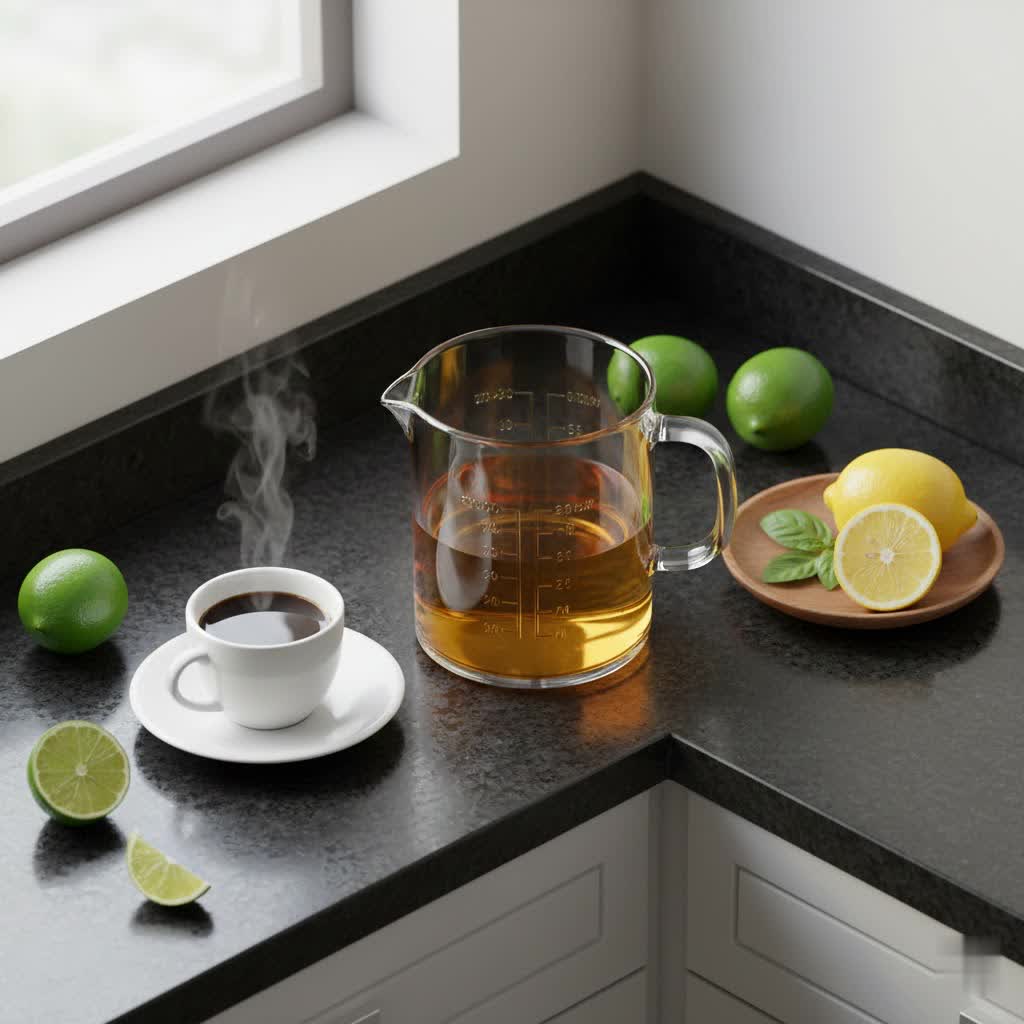
Glass measuring cups, often made from tempered or borosilicate glass, are a classic choice for kitchen use.
- Advantages:
- Heat Resistance: They can safely handle hot oils, making them suitable for warming ingredients or measuring hot fats.
- Non-Reactive: Glass will not absorb odors, flavors, or colors from oils, ensuring pure taste and easy cleaning.
- Clarity: Transparent glass allows for easy, accurate reading of liquid levels.
- Durability: Tempered glass is resistant to thermal shock and breakage, offering a long lifespan.
- Disadvantages:
- Fragility: While durable, glass can still shatter if dropped.
- Weight: They are generally heavier than plastic or silicone alternatives.
- Price: High-quality glass sets can be more expensive.
|
Our Picks for the Best Measuring Cup in 2026
As an Amazon Associate I earn from qualifying purchases.
|
||
| Num | Product | Action |
|---|---|---|
| 1 | 1/3 Cup Measuring Cup, 80ml Stainless Steel Measuring Scoop Gold Coffee Scoop 1/3 Teaspoon with Wooden Handle for Baking Cooking Wet and Dry Ingredients |

|
| 2 | Measuring Cups Set, Liquid Measuring Cups For 3 For Kitchen - BPA Free Plastic Set with Spout Multiple Measurement Scales (Clear) |
|
| 3 | OXO Good Grips 2-Cup Angled Measuring Cup |
|
| 4 | FARBERWARE 5-Piece Measuring Cup Set with Coffee Scoop, Durable Plastic Nesting Measuring Cups with Easy-Read Markings, BPA-Free, Dishwasher Safe |
|
| 5 | Pyrex 4-Cup Glass Measuring Cup For Baking and Cooking, Dishwasher, Freezer, Microwave, and Preheated Oven Safe, Essential Kitchen Tools |
|
| 6 | 2 Pack Measuring Cup Set, Includes 250Ml (1-Cup), and 500Ml (2-Cup) Plastic Liquid Measuring Cups- Baking, Cooking, Mixing & Measuring Cups, Essential Kitchen Tools |
|
| 7 | Hudson Essentials Stainless Steel Measuring Cups Set (6 Piece Set) |
|
| 8 | OXO Good Grips 3-Piece Angled Measuring Cup Set |
|
| 9 | Amazon Basics Glass Measuring Cup, Precise 8 Cup Capacity, Clear Kitchen Measuring Tool, 2 L |
|
| 10 | Pyrex Essentials (3-Pack) Glass Measuring Cups Set, (1, 2 & 4 Cup) Measuring Cups For Prepping, Baking and Cooking, Preheated Oven, Dishwasher, Freezer, and Microwave Safe |
|
Plastic Measuring Cups
Plastic measuring cups are a common, lightweight option found in many kitchens.
- Advantages:
- Affordability: Typically the most budget-friendly choice.
- Lightweight and Shatter-Resistant: Easier to handle and less prone to breaking if dropped.
- Features: Many plastic models, like the OXO Good Grips Angled Measuring Cup, offer innovative angled surfaces that allow you to read measurements from above, eliminating the need to stoop to eye level.
- Disadvantages:
- Staining and Odor Retention: Can absorb colors and smells from strongly flavored oils or ingredients over time.
- Heat Sensitivity: Some plastics may warp or degrade when exposed to hot oils or high heat. Notably, some plastic OXO cups, while microwave-safe for water, are not recommended for microwaving fats or oils.
- Measurement Fading: Printed measurements can fade or rub off with prolonged use and washing, compromising accuracy.
Silicone Measuring Cups
Silicone measuring cups offer flexibility and unique handling properties.
- Advantages:
- Flexibility: Allows for easy pouring by pinching to create a narrower spout, reducing drips.
- Heat Resistance: Generally safe for use with hot liquids and in microwaves.
- Space-Saving: Many silicone cups are collapsible or nest efficiently for storage.
- Disadvantages:
- Opaque Markings: The flexible, often opaque material can make some measurement lines harder to read compared to clear glass or plastic [5, cite: 5, “I Meticulously Tested Liquid Measuring Cups—and Even Used an Eyedropper for Accuracy”].
- Odor Absorption: Similar to plastic, silicone can sometimes retain strong oil odors.
- Stability: May be less stable on a flat surface when filled, requiring careful handling.
Types of Oil Measuring Cups for Automotive & Industrial Use
For garage and workshop tasks, measuring oil often requires larger capacities and more rugged construction, focusing on functionality with automotive fluids rather than culinary precision.
Heavy-Duty Plastic Jugs
These are perhaps the most common choice for mechanics and DIY enthusiasts.
- Advantages:
- Large Capacity: Available in sizes up to 6 quarts, perfect for engine oil changes or fluid top-offs.
- Durability: Made from high-density polyethylene (PE) plastic, they are resistant to a range of automotive and industrial fluids.
- Practical Features: Often include easy-grip handles, flexible spouts for reaching awkward fill points, and caps to prevent contamination between uses.
- Clear Markings: Translucent plastic with side gradations in quarts and liters allows for easy reading of fluid levels.
- Disadvantages:
- Precision: While marked, the overall accuracy for very small measurements might be less than kitchen-grade cups.
- Cleaning: Can be challenging to thoroughly clean out thick, greasy automotive oils.
Metal Containers (e.g., Stainless Steel Jugs)
While less common for direct measurement due to opacity, metal jugs are used for dispensing.
- Advantages:
- Extreme Durability: Highly resistant to impact and chemicals.
- Longevity: Can last for many years, even with heavy industrial use.
- Disadvantages:
- Visibility: Impossible to see the fluid level directly, requiring external dipsticks or pre-measured pours.
- Weight: Can be heavy, especially when full.
Comparing Oil Measuring Cups: Kitchen vs. Garage
While both categories aim for accurate fluid measurement, their design philosophies diverge based on their primary use.
| Feature | Kitchen Oil Measuring Cups | Automotive Oil Measuring Cups |
|---|---|---|
| Primary Use | Cooking, baking, precision recipes | Engine oil changes, fluid top-offs, industrial applications |
| Capacity | Typically 1/4 cup to 4 cups (60ml to 1 liter) | Often 1 quart to 6 quarts (1 to 6 liters) |
| Materials | Glass, BPA-free plastic, silicone | High-density polyethylene plastic, sometimes metal |
| Accuracy | High precision for small increments, often angled for eye-level reading. | Good precision for larger volumes, clear side gradations. |
| Pouring | Fine spouts, angled designs, flexible silicone for drip-free pouring. | Flexible spouts for hard-to-reach reservoirs, larger openings for quicker pours. |
| Cleaning | Designed for easy removal of food-grade oil residue, dishwasher safe options. | More challenging to clean thick, viscous motor oils; often rinsed rather than scrubbed. |
| Special Features | Angled measurements, non-slip grips, microwave-safe (for some materials), nesting designs. | Easy-grip handles, tethered caps, vent systems, built-in funnels. |
How to Choose Your Ideal Oil Measuring Cup
Selecting the right oil measuring cup requires considering your specific tasks and priorities.
1. Determine Your Primary Usage Needs
- For cooking and baking: Prioritize precision, readability, and materials safe for food contact and varying oil temperatures. A set with multiple sizes (e.g., 1-cup and 4-cup) is often most versatile.
- For automotive or industrial tasks: Focus on larger capacity, durable materials that withstand harsh chemicals, and practical features like flexible spouts and secure caps.
2. Material Matters
- Glass: Excellent for kitchen use, especially with hot oils, for its non-reactive properties and clear visibility. Opt for tempered or borosilicate glass for durability.
- Plastic: A cost-effective, lightweight, and shatter-resistant choice. For kitchen use, ensure it’s BPA-free and avoid microwaving hot fats/oils if not specified. For automotive use, high-density polyethylene is ideal for chemical resistance.
- Silicone: Offers flexibility and heat resistance for kitchen applications, good for pouring.
- Stainless Steel: Less common for oil measuring due to opacity, but highly durable for specific industrial uses where visibility isn’t key.
3. Accuracy and Readability
- Clear Markings: Look for measurements that are etched, stamped, or prominently printed and resistant to fading. Etched markings tend to last longer than printed ones.
- Angled Measurements: For kitchen cups, features like OXO’s angled interior measurements significantly improve readability from above, reducing the need to bend down.
- Units: Ensure the cup features the units you commonly use (cups, ounces, milliliters for kitchen; quarts, liters for automotive).
4. Pouring and Handling
- Spout Design: A well-designed spout is crucial for drip-free pouring, especially with viscous oils. Flexible spouts are a significant advantage for automotive jugs.
- Handle Comfort: An ergonomic, non-slip handle enhances control and comfort, particularly important when pouring larger volumes.
- Stability: The base should be wide enough to prevent tipping, especially when filled with liquid.
5. Durability and Maintenance
- Longevity: Consider materials known for durability. Glass and stainless steel generally offer the longest lifespan, while high-quality plastics can also be very robust.
- Ease of Cleaning: For kitchen cups, look for dishwasher-safe options and materials that resist oil residue buildup and odor retention. For automotive jugs, ease of rinsing and resistance to staining from motor oils is key.
“The subtle differences in measuring cup design—from an angled interior to a purpose-built flexible spout—can dramatically impact accuracy and user experience, especially when dealing with tricky liquids like oils.”
Tips for Accurate Oil Measurement and Care
Even with the best measuring cup, proper technique and care ensure consistent results.
- Read at Eye Level (Kitchen): For traditional liquid measuring cups, place the cup on a flat surface and bend down to read the measurement at eye level. This prevents parallax error, where the liquid level appears different depending on your viewing angle. The liquid’s meniscus (the curve at the top) should be at the desired line.
- Clean Oil Residue Immediately: Oil, especially thick or used motor oil, can be difficult to clean once it sets. Wash kitchen oil measuring cups with hot, soapy water immediately after use. For stubborn residue, a scrub brush and a degreasing dish soap can be highly effective. For automotive jugs, a simple rinse may suffice, but deep cleaning might require specialized automotive degreasers.
- Storage: Store measuring cups securely to prevent breakage (for glass) or deformation (for some plastics). Nesting sets save space. For automotive jugs, ensure caps are secured to keep out dust and debris.
- Hot Oils: When measuring hot cooking oil, always use a heat-resistant material like glass or silicone that is specifically rated for high temperatures. Never microwave plastic cups containing oil unless explicitly stated by the manufacturer to be safe for fats and oils, as some plastics are not designed for this.
Conclusion
Whether you’re crafting a culinary masterpiece or performing essential vehicle maintenance, the right oil measuring cup is a foundational tool for precision and success. From the heat-resistant clarity of glass to the robust utility of a heavy-duty plastic jug with a flexible spout, understanding the unique attributes and ideal applications of each type empowers you to make an informed choice. By considering material, capacity, readability, and specific features, you can ensure accurate measurements every time, safeguarding your recipes and your machinery.
What oil measuring challenge are you looking to conquer next with the perfect tool?
Frequently Asked Questions
How do I accurately measure viscous oils like honey or molasses?
For very thick or sticky oils and liquids, an adjustable measuring cup or a measuring cup with a silicone scraper can be helpful, as you can push the ingredient out completely. Alternatively, greasing the inside of a standard measuring cup with a little neutral oil or cooking spray can help sticky liquids release more easily.
Can I use my kitchen measuring cup for motor oil?
While technically possible for small, one-off situations, it’s generally not recommended. Kitchen measuring cups are designed for food-grade precision and easy cleaning of food oils. Motor oil is a chemical that can be difficult to clean thoroughly and may leave residues or odors that are unsafe for food use. Dedicated automotive measuring jugs are designed for durability, larger volumes, and chemical resistance.
Why do some measuring cups have angled markings?
Angled markings, like those found in OXO Good Grips measuring cups, allow you to read the liquid level from above, rather than needing to bend down to eye level. This design significantly improves accuracy and ease of use, especially when pouring liquids like oil.
How do I prevent oil from sticking to the measuring cup during cleanup?
Washing immediately with hot water and a strong degreasing dish soap is key. For plastic cups, avoiding prolonged contact with certain oils or vigorous scrubbing can help prevent staining and odor absorption. Some users find that wiping out the excess oil with a paper towel before washing can also help.
Are digital measuring cups accurate for oil?
Digital measuring cups often rely on weight (grams/ounces) rather than volume. While highly accurate for many ingredients, their precision for liquids can vary, especially with different oil densities. They can be a good option for highly precise baking if a recipe provides weight measurements for oil.
