Imagine meticulously following a recipe, only for your dish to fall flat because of inaccurate measurements. In the world of cooking and baking, precision is paramount, and a reliable clear measuring cup is your trusty companion. As an experienced technician in kitchen appliances, I understand the nuances of these seemingly simple tools. This guide will delve into everything you need to know about clear measuring cups, from the various types and their unique characteristics to choosing the perfect one for your culinary adventures.
Types of Clear Measuring Cups
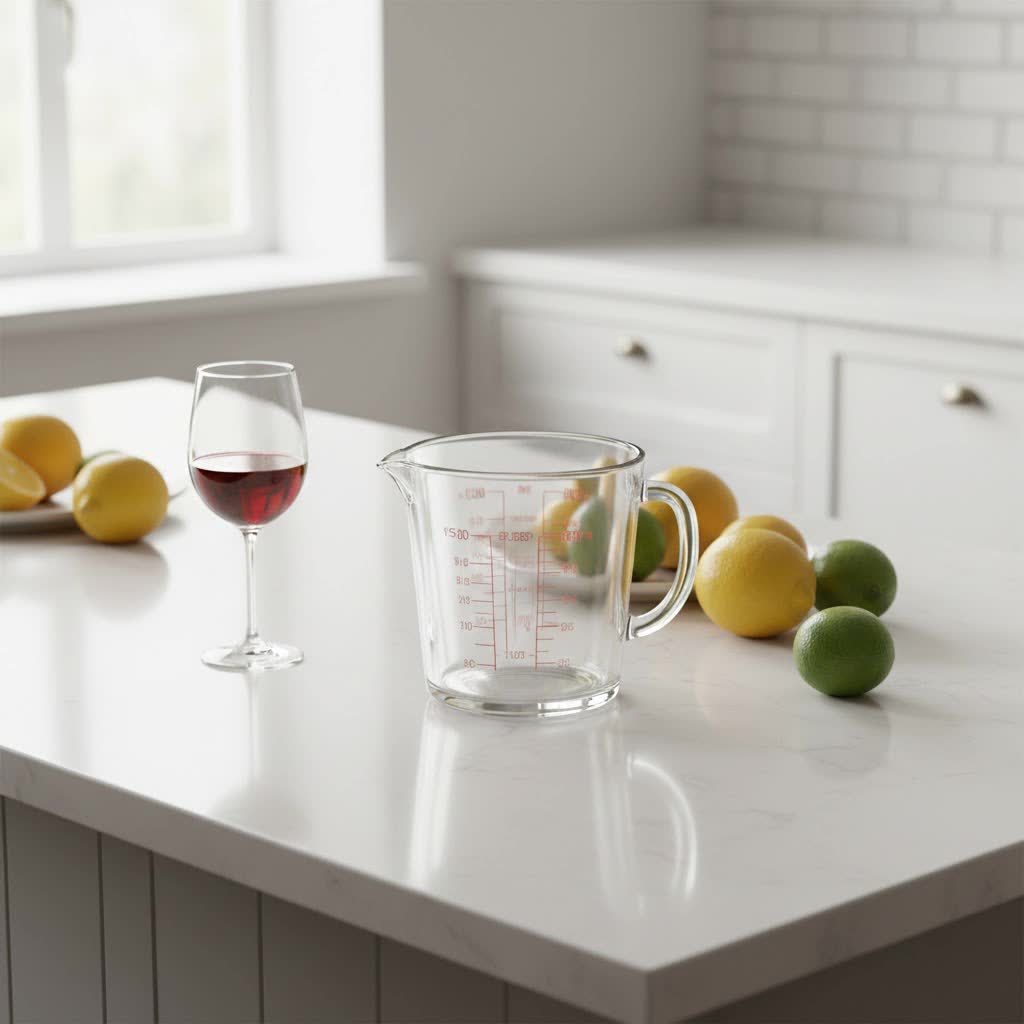
When we talk about clear measuring cups, we primarily refer to liquid measuring cups, designed with transparent materials and spouts for accurate pouring. These come in several distinct types, each with its own set of benefits and drawbacks.
Glass Measuring Cups
Glass measuring cups, often recognized by iconic brands like Pyrex and Anchor Hocking, are a staple in many kitchens. They offer a classic feel and robust performance for liquid measurements.
- Advantages: Glass is highly heat-resistant, making it ideal for measuring hot liquids like broths, melted butter, or warm milk without the risk of warping or chemical leaching. It’s also non-porous, meaning it won’t absorb odors or stains from colorful ingredients like tomato sauce or turmeric. Glass measuring cups are typically dishwasher safe and, if the markings are etched or molded, they can remain legible for years of regular use.
- Disadvantages: The primary drawback of glass is its fragility. A dropped glass measuring cup, especially on a hard kitchen floor, is prone to breaking. They can also be heavier than plastic alternatives, and some types of glass (soda-lime, rather than borosilicate) may be susceptible to thermal shock if exposed to rapid temperature changes. While generally durable, printed markings on some glass cups can fade over time with repeated dishwasher cycles.
|
Our Picks for the Best Measuring Cup in 2026
As an Amazon Associate I earn from qualifying purchases.
|
||
| Num | Product | Action |
|---|---|---|
| 1 | OXO Good Grips 2-Cup Angled Measuring Cup |

|
| 2 | Hudson Essentials Stainless Steel Measuring Cups Set (6 Piece Set) |
|
| 3 | Amazon Basics Glass Measuring Cup, Precise 8 Cup Capacity, Clear Kitchen Measuring Tool, 2 L |
|
| 4 | 2 Pack Measuring Cup Set, Includes 250Ml (1-Cup), and 500Ml (2-Cup) Plastic Liquid Measuring Cups- Baking, Cooking, Mixing & Measuring Cups, Essential Kitchen Tools |
|
| 5 | FARBERWARE 5-Piece Measuring Cup Set with Coffee Scoop, Durable Plastic Nesting Measuring Cups with Easy-Read Markings, BPA-Free, Dishwasher Safe |
|
| 6 | Pyrex 4-Cup Glass Measuring Cup For Baking and Cooking, Dishwasher, Freezer, Microwave, and Preheated Oven Safe, Essential Kitchen Tools |
|
| 7 | 1/3 Cup Measuring Cup, 80ml Stainless Steel Measuring Scoop Gold Coffee Scoop 1/3 Teaspoon with Wooden Handle for Baking Cooking Wet and Dry Ingredients |
|
| 8 | Measuring Cups Set, Liquid Measuring Cups For 3 For Kitchen - BPA Free Plastic Set with Spout Multiple Measurement Scales (Clear) |
|
| 9 | Pyrex Essentials (3-Pack) Glass Measuring Cups Set, (1, 2 & 4 Cup) Measuring Cups For Prepping, Baking and Cooking, Preheated Oven, Dishwasher, Freezer, and Microwave Safe |
|
| 10 | OXO Good Grips 3-Piece Angled Measuring Cup Set |
|
Plastic Measuring Cups
Plastic clear measuring cups are a popular choice due known for their lightweight nature and affordability. Brands like OXO Good Grips have innovated with features such as angled measurements.
- Advantages: Plastic measuring cups are lightweight and less prone to shattering if dropped compared to glass. They are generally more affordable, making them a budget-friendly option. Many plastic cups are designed to be stackable, offering convenient storage, and are often BPA-free for food safety. Innovative designs, such as angled interior markings, allow users to read measurements from above, eliminating the need to bend down to eye level.
- Disadvantages: Plastic can warp when exposed to high temperatures, making it unsuitable for very hot liquids like boiling water. Over time, plastic can also absorb odors and stains from strong-smelling or brightly colored ingredients. The printed measurement markings on cheaper plastic cups are particularly prone to fading or scratching off, rendering the cup less accurate and eventually useless. Some plastics can also cloud over time, especially after frequent dishwasher use.
Electronic Measuring Cups
While not “clear” in the traditional sense of a transparent material, electronic measuring cups often feature a clear digital display that provides precise measurements by weight or volume.
- Advantages: Electronic measuring cups offer exceptional precision, often allowing measurements down to the gram or milliliter, which is crucial for sensitive baking recipes. The digital display is typically very clear and easy to read. Some models can convert units instantly, adding to their versatility.
- Disadvantages: These cups require batteries to operate, which need occasional replacement. They tend to be more expensive than traditional manual measuring cups. The body of an electronic measuring cup may not always be transparent, focusing clarity on the digital readout rather than the vessel itself. They also require more delicate handling due to their electronic components.
Comparing Clear Measuring Cups
Choosing the right clear measuring cup depends largely on your specific cooking habits and priorities. Here’s a detailed comparison to help you weigh the options:
| Feature | Glass Measuring Cups | Plastic Measuring Cups | Electronic Measuring Cups |
|---|---|---|---|
| Material | Tempered borosilicate or soda-lime glass | SAN, polypropylene, polyethylene (often BPA-free) | Various plastics, often with stainless steel components |
| Durability | Material itself is highly durable; prone to breakage | Less fragile than glass, but can warp, stain, or scratch | Body generally durable; electronic parts are sensitive |
| Accuracy | High, especially with etched/molded markings | Good initially; can degrade if warps or markings fade | Excellent, often measuring by weight for ultimate precision |
| Heat Resistance | Excellent (especially borosilicate) | Limited; can warp with hot liquids | Varies; generally not for hot liquids directly |
| Readability | Clear visibility, but requires eye-level reading | Good, especially angled designs for top-down reading | Digital display provides exact numbers |
| Price | Moderate to high | Low to moderate | High |
| Key Features | Non-porous, microwave/dishwasher safe, classic feel | Lightweight, stackable, angled measurements, BPA-free | Digital display, unit conversion, weight measurement |
For those prioritizing heat resistance and long-term material integrity, glass stands out. However, if you need something lightweight, less prone to breaking from drops, and with innovative reading angles, plastic options are very appealing. For the ultimate precision, especially in baking, an electronic measuring cup is an invaluable tool.
Guide to Choosing Your Clear Measuring Cup
Selecting the best clear measuring cup involves considering your culinary needs and preferences.
Identify Usage Needs
First, think about how you’ll primarily use the measuring cup. Are you mostly baking, which demands precise measurements? Or will you be frequently measuring hot liquids for soups and sauces?
- For baking, look for cups with highly accurate and durable markings, as small inaccuracies can significantly impact results.
- If you frequently measure hot liquids, a heat-resistant material like borosilicate glass is crucial.
- Consider the capacity you need. A 2-cup (500ml) liquid measuring cup is a versatile starting point for most kitchens, but sets with 1-cup, 2-cup, and 4-cup options offer more flexibility for larger recipes.
Choose Suitable Material
The material choice is a critical decision, directly impacting the cup’s performance and longevity.
- Glass is the preferred choice for safety and heat resistance, especially if you handle hot ingredients or want a cup that won’t absorb odors.
- High-quality, BPA-free plastic is excellent for general use, especially if you prefer a lightweight, shatter-resistant option or appreciate features like angled measurements. Ensure it’s rated for the temperatures you’ll expose it to.
- Electronic cups are best if absolute precision by weight is your top priority, often complementing traditional clear cups.
Note on Accuracy and Readability
The clearer the markings, the better. Look for cups with:
- Etched or molded markings: These are far more durable than printed markings, which can fade after repeated washing.
- Clear, bold numbers: Ensure the measurement lines and numbers are easy to read against the liquid, especially in varying kitchen lighting. Red markings on clear glass or plastic are often favored for their visibility.
- Angled interior measurements: Found in some plastic designs (e.g., OXO Good Grips), these allow you to read the measurement by looking directly down into the cup, simplifying the process and improving accuracy.
- Multi-unit markings: Cups that include cups, ounces, and milliliters offer greater versatility for diverse recipes.
Reputable Brands
Investing in trusted brands often ensures better quality and accuracy. Pyrex, Anchor Hocking, and OXO Good Grips are consistently rated highly for their measuring cups, offering a range of options in both glass and plastic. Reading user reviews can also provide valuable insights into real-world performance and durability.
Tips for Using and Maintaining Your Clear Measuring Cup
Even the best clear measuring cup needs proper handling to ensure accuracy and prolong its life.
- Accurate Measuring Techniques: For liquids, always place your clear measuring cup on a flat, level surface. Bend down to eye level to read the measurement at the bottom of the meniscus (the slight curve in the liquid surface). Avoid measuring over your mixing bowl, as spills can ruin your recipe. Remember that liquid and dry ingredients require different measuring techniques; clear cups are specifically designed for liquids.
- Cleaning and Storage: Most clear measuring cups are dishwasher safe, but always check the manufacturer’s instructions. To prevent fading of printed markings, especially on plastic and some glass cups, consider hand-washing with mild soap and a soft sponge. Store your measuring cups carefully to prevent breakage (for glass) or warping (for plastic), ideally by nesting them or storing them in a dedicated cabinet space. Avoid abrasive cleaners that can scratch the surface or blur markings.
- Specific Ingredient Considerations: While clear measuring cups are versatile, some ingredients benefit from specific handling. For sticky liquids like honey or syrup, lightly coating the inside of the cup with cooking spray or oil can help the ingredient slide out easily. For very hot liquids, always use a heat-resistant glass measuring cup to prevent damage or potential chemical leaching from plastic.
“A precise measurement is the silent hero of every successful recipe. Your measuring cup isn’t just a container; it’s a commitment to culinary excellence.” – Chef Elena Rodriguez, Award-Winning Pastry Chef
Conclusion
A clear measuring cup is an indispensable tool in any kitchen, empowering you to execute recipes with confidence and precision. Whether you opt for the robust reliability of glass, the lightweight versatility of plastic, or the unparalleled accuracy of an electronic model, understanding the unique features and proper usage of each type is key. By considering your specific needs, prioritizing durable markings, and choosing a reputable brand, you can select a clear measuring cup that will serve you faithfully for years to come.
What’s your go-to clear measuring cup, and what culinary masterpiece will you create with it next?
Frequently Asked Questions
Are all clear measuring cups safe for the microwave?
Not all clear measuring cups are microwave-safe. Glass measuring cups, particularly those made from tempered borosilicate glass like Pyrex, are generally safe for microwave use. However, most plastic measuring cups are not designed to withstand high microwave temperatures and can warp or potentially leach chemicals. Always check the manufacturer’s label.
How do I know if my clear measuring cup is accurate?
You can test the accuracy of your clear measuring cup by weighing a cup of water. Eight fluid ounces (one cup) of water should weigh approximately 0.520652 pounds (or 236.6 milliliters). Weigh your empty cup, then weigh it filled with water, and subtract the weight of the empty cup. If the result is significantly off, your cup may be inaccurate.
Why do the markings on my clear measuring cup fade?
Markings on clear measuring cups, especially those that are printed on rather than etched or molded into the material, can fade over time due to repeated dishwashing, exposure to abrasive cleaners, or general wear and tear. Heat from dishwashers can be particularly harsh on printed plastic markings. Hand-washing with gentle soap can help preserve them.
