Crafting exceptional cocktails is an art, and at the heart of every perfectly balanced drink lies precision. Just as a chef relies on accurate measurements for a gourmet meal, a skilled mixologist depends on the right bar measuring cup to transform simple ingredients into a sublime sensory experience. Far from being a mere accessory, your bar measuring tool, often a jigger, is the secret weapon that ensures consistency, prevents waste, and elevates your cocktail game from guesswork to mastery.
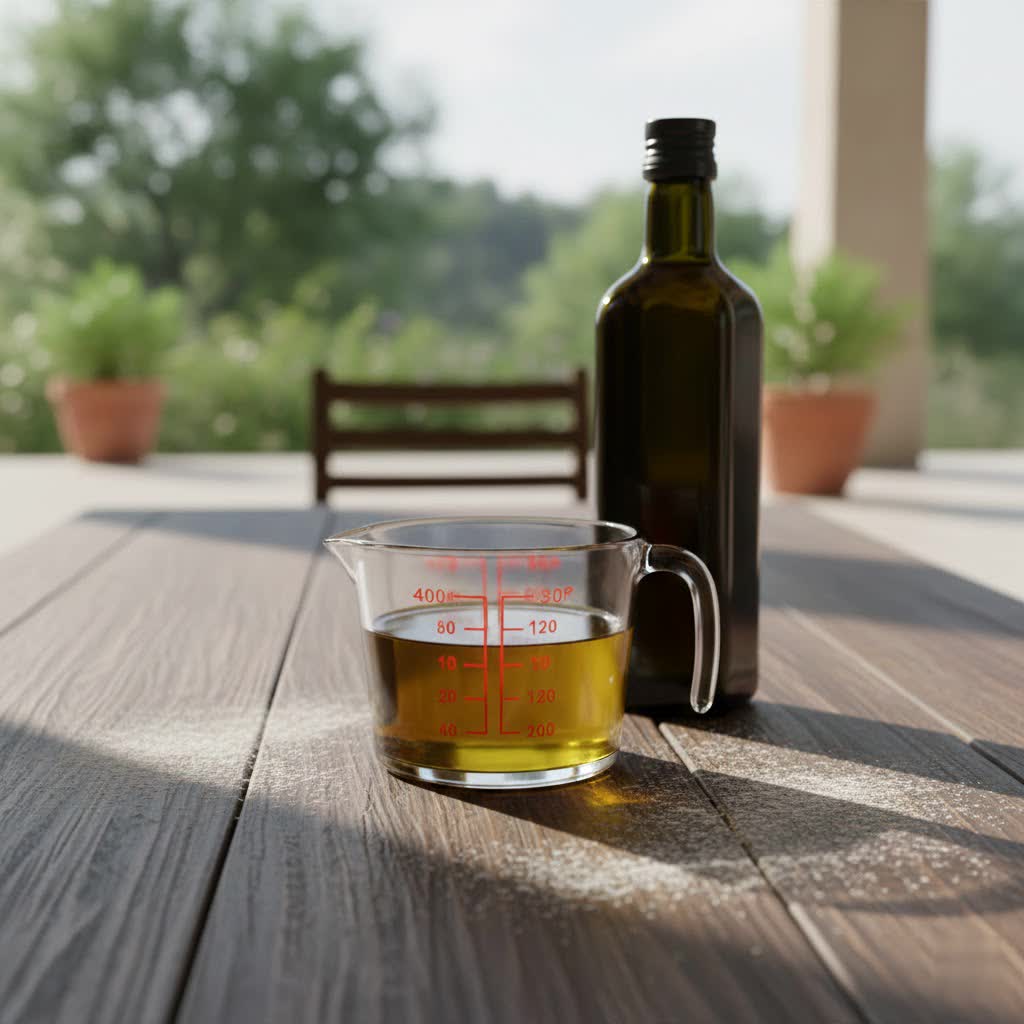
This comprehensive guide will navigate you through the world of bar measuring cups, exploring the diverse types available, comparing their unique attributes, and providing expert advice on selecting the perfect tool for your home bar or professional establishment. We’ll also share essential tips for accurate usage and maintenance, ensuring every pour is precise and every cocktail is a masterpiece.
Types of Bar Measuring Cups: Precision Tools for Every Mixologist
The foundation of any great cocktail lies in accurately proportioning its ingredients. While the term “bar measuring cup” often brings to mind a single item, there are several distinct tools designed for this crucial task, each with its own advantages. Understanding these types will help you select the best fit for your mixing style.
Jiggers: The Bartender’s Essential
Jiggers are arguably the most iconic bar measuring tool, instantly recognizable in their various forms. They are designed for speed and consistency, allowing bartenders to quickly and accurately measure spirits and other liquids.
- Classic/Double Jiggers: These are the traditional hourglass-shaped measuring tools, typically featuring two distinct capacities on opposite ends. Common sizes include 1.5 ounces and 0.75 ounces, or 2 ounces and 1 ounce. While a staple, their wider, shallower design can sometimes lead to spills if not handled with care. Many professional bartenders develop a strong proficiency with these in high-speed environments.
- Japanese Jiggers: Known for their sleek, slender, and elegant design, Japanese jiggers feature narrower cones and deeper wells compared to their classic counterparts. This design minimizes spillage and often incorporates internal markings for even finer measurements, making them a favorite among craft cocktail enthusiasts and professional mixologists who prioritize both precision and aesthetics. Their refined appearance adds a touch of sophistication to any bar setup.
- Bell Jiggers: Offering a rounded, bell-like shape, these jiggers are often praised for their ergonomic comfort. They provide a stable feel in the hand and are a popular choice for those who appreciate both functionality and a classic look.
- Thimble/Pub Jiggers: These single-sided, often cone-shaped measures are straightforward and functional. Commonly found in high-volume “everyday bars,” they are a no-frills option focused purely on efficient measurement.
|
Our Picks for the Best Measuring Cup in 2026
As an Amazon Associate I earn from qualifying purchases.
|
||
| Num | Product | Action |
|---|---|---|
| 1 | Pyrex Essentials (3-Pack) Glass Measuring Cups Set, (1, 2 & 4 Cup) Measuring Cups For Prepping, Baking and Cooking, Preheated Oven, Dishwasher, Freezer, and Microwave Safe |

|
| 2 | Measuring Cups Set, Liquid Measuring Cups For 3 For Kitchen - BPA Free Plastic Set with Spout Multiple Measurement Scales (Clear) |
|
| 3 | OXO Good Grips 2-Cup Angled Measuring Cup |
|
| 4 | Amazon Basics Glass Measuring Cup, Precise 8 Cup Capacity, Clear Kitchen Measuring Tool, 2 L |
|
| 5 | OXO Good Grips 3-Piece Angled Measuring Cup Set |
|
| 6 | FARBERWARE 5-Piece Measuring Cup Set with Coffee Scoop, Durable Plastic Nesting Measuring Cups with Easy-Read Markings, BPA-Free, Dishwasher Safe |
|
| 7 | Hudson Essentials Stainless Steel Measuring Cups Set (6 Piece Set) |
|
| 8 | 1/3 Cup Measuring Cup, 80ml Stainless Steel Measuring Scoop Gold Coffee Scoop 1/3 Teaspoon with Wooden Handle for Baking Cooking Wet and Dry Ingredients |
|
| 9 | 2 Pack Measuring Cup Set, Includes 250Ml (1-Cup), and 500Ml (2-Cup) Plastic Liquid Measuring Cups- Baking, Cooking, Mixing & Measuring Cups, Essential Kitchen Tools |
|
| 10 | Pyrex 4-Cup Glass Measuring Cup For Baking and Cooking, Dishwasher, Freezer, Microwave, and Preheated Oven Safe, Essential Kitchen Tools |
|
Small Measuring Cups: For Home and Hyper-Precision
Beyond the traditional jigger, small measuring cups have carved out a niche, particularly for home bartenders or those requiring exceptional accuracy for smaller volumes.
Tools like the OXO-style angled measuring cup are perfect examples, offering clear gradations from as little as 0.25 ounces up to 2 ounces. They provide versatile, easy-to-read measurements, often in both imperial and metric units. While they might be slower to use than a jigger in a fast-paced setting, their precision is unparalleled for intricate recipes or when exact small quantities of syrups or liqueurs are critical. They are a robust alternative, often made of durable glass or plastic.
Measuring Spoons: The Tiny Titans of Flavor
For the minutest additions that can drastically alter a cocktail’s profile, measuring spoons are indispensable. Standard kitchen measuring spoons (teaspoons, tablespoons) are crucial for precisely dosing bitters, tinctures, or highly concentrated syrups. These small additions, often just a dash or a few drops, demand the accuracy that only a dedicated measuring spoon can provide, ensuring delicate flavors are perfectly balanced without overpowering the drink.
Comparing Bar Measuring Cups: Finding Your Perfect Match
Choosing the right bar measuring cup is a matter of balancing speed, accuracy, material, and personal preference. Each tool offers a distinct experience behind the bar.
Here’s a comparison to help you understand their differences:
| Feature | Jiggers (Classic) | Jiggers (Japanese) | Small Measuring Cups | Measuring Spoons |
|---|---|---|---|---|
| Material | Stainless Steel, Copper | Stainless Steel, Copper | Glass, Plastic, Steel | Stainless Steel |
| Primary Use | Spirits, Syrups (speed) | Spirits, Syrups (precision & speed) | Syrups, Liqueurs, Juices (precision) | Bitters, Tinctures, Small Additions |
| Accuracy | Good | Excellent | Excellent | Very High |
| Speed | High | High | Moderate | Moderate |
| Ease of Reading | Direct pour volume | Internal/External markings | Clear gradations | Standard kitchen measurements |
| Durability | High | High | Moderate (glass), High (plastic/steel) | High |
| Common Sizes | 1.5/0.75 oz, 2/1 oz | 2/1 oz, 1.5/0.75 oz with internal marks | 0.25-2 oz | 1/8 tsp to 1 tbsp |
While classic jiggers excel in high-volume environments where speed is king, their design can sometimes lead to spills if not perfectly executed. Japanese jiggers offer a superior blend of speed and precision, thanks to their narrow profile and often internal markings, making them a popular choice for craft cocktail bars. Small measuring cups, while slower, offer unparalleled accuracy with their clear, often multi-unit gradations, ideal for the home bartender who prioritizes exactness. Measuring spoons fill the critical role for micro-measurements, ensuring even the most potent ingredients are added with pinpoint precision.
“The right measuring tool isn’t just about volume; it’s about consistency, preventing waste, and ultimately, crafting a more enjoyable experience for anyone who sips your creation.”
Choosing Your Ideal Bar Measuring Cup: A Buyer’s Guide
Selecting the perfect bar measuring cup is a personal journey that depends on your specific needs and preferences. Consider these factors to make an informed decision that will enhance your bartending prowess.
Assess Your Bartending Needs
First, consider your environment. Are you outfitting a bustling professional bar where speed is paramount, or a cozy home bar where precision and presentation take precedence? For professional settings, fast, ergonomic jiggers are often preferred. Home bartenders might lean towards measuring cups for their clear markings and versatility, especially for complex recipes. Think about the types of cocktails you typically make; intricate drinks with numerous ingredients demand tools that offer fine-tuned measurements.
Material and Durability
The material of your measuring cup significantly impacts its longevity, aesthetics, and ease of care.
- Stainless Steel: The go-to for most jiggers due to its exceptional durability, resistance to rust, and professional appearance. It’s easy to clean and can withstand the rigors of a busy bar.
- Glass: Found in some small measuring cups, glass offers crystal-clear visibility of measurement lines. However, it is more fragile than stainless steel and can break if dropped.
- Plastic: An inexpensive and lightweight option for measuring cups. While less prone to breaking than glass, plastic can sometimes stain, absorb odors, or degrade over time, affecting its clarity and longevity.
Precision and Readability
Accuracy is non-negotiable in mixology. Look for measuring cups with clear, easy-to-read markings. Etched or engraved lines on stainless steel jiggers are generally more durable than printed ones. For measuring cups, internal angled markings can be incredibly helpful for reading liquid levels accurately without having to bend down. Ensure the units (ounces, milliliters, centiliters) align with the recipes you typically follow. Misreading a measurement, even slightly, can throw off the delicate balance of a cocktail.
Ergonomics and Style
The feel of a tool in your hand is crucial, especially during repetitive tasks. Choose a measuring cup that is comfortable to grip, stable, and easy to pour from. Some jiggers feature a more ergonomic shape or texture for better handling. For measuring cups, a well-designed spout can significantly reduce spills and ensure a smooth transfer of liquid. Beyond functionality, the aesthetic appeal of your tools can also enhance your overall bartending experience, whether you prefer sleek modern designs or classic vintage styles.
Masterful Mixing: Tips for Using and Maintaining Your Bar Measuring Cup
Once you’ve chosen your ideal bar measuring cup, mastering its use and ensuring its longevity are the next steps to becoming a true mixology maestro.
Achieving Perfect Pours
Precision is key, and technique plays a significant role:
- Hold Steady, at Eye Level: When pouring, hold your jigger or measuring cup firmly between your thumb and index (or middle) fingers. Bring the measuring tool up to eye level as you fill it. This allows you to accurately see the liquid surface, avoiding under or overfilling due to the meniscus (the curve in the liquid). Pour slowly and steadily to reach the brim for the exact measurement.
- Quick Transfer: Once filled, swiftly invert the jigger or pour the contents from the measuring cup into your mixing glass or shaker. Holding the measuring tool close to the rim of the receiving vessel minimizes splashes and spills.
- Practice Makes Perfect: If you’re new to using a jigger, practice with water and an empty liquor bottle. This builds muscle memory and confidence without wasting precious spirits.
- Don’t Over-Pour into Jigger: Avoid holding the jigger over your mixing glass while pouring from the bottle. Any accidental overfill will spill directly into your drink, compromising the recipe. Pour over a separate surface or catch tray.
Maintain Cleanliness and Longevity
Proper care ensures your measuring tools remain accurate and hygienic for years to come:
- Rinse Between Ingredients: This is a crucial, often overlooked step. After measuring a sticky syrup or a strongly flavored liqueur, quickly rinse your jigger or measuring cup with water before measuring the next ingredient. This prevents flavor transfer and ensures the purity of each component.
- Thorough Cleaning: Most stainless steel jiggers and measuring spoons are dishwasher safe. Glass and plastic measuring cups may also be, but always check manufacturer instructions. Hand wash with warm, soapy water for best results, especially for items with fine markings, and dry immediately to prevent water spots.
- Proper Storage: Store your measuring tools in a clean, dry place where they won’t be scratched or dinged. Protecting them from damage helps maintain their accuracy and aesthetic appeal.
Beyond the Basics
To further enhance your efficiency, consider:
- Speed Pourers: Adding free-flow pourers to your liquor bottles can greatly improve pouring speed and control, working in tandem with your jigger.
- Multiple Jiggers: For busy sessions, having two jiggers or measuring cups on hand (one for dark/sweet ingredients, one for clear spirits) can streamline your workflow and prevent cross-contamination of flavors.
Conclusion
The humble bar measuring cup, in its various forms, is an indispensable ally in the pursuit of cocktail perfection. From the swift, iconic jigger to the precise, multi-marked measuring cup, each tool plays a vital role in ensuring that every ingredient is perfectly accounted for. By understanding the different types, carefully considering materials, prioritizing accuracy, and adopting best practices for use and maintenance, you can transform your bartending from an imprecise endeavor into a consistent art form. Embrace the power of precision, and watch as your cocktails reach new heights of flavor and balance. What’s your go-to measuring tool behind the bar that you simply can’t live without?
Frequently Asked Questions
What is a jigger?
A jigger is a common bar measuring tool, typically dual-sided with two different capacities, used by bartenders to accurately measure liquid ingredients like spirits and syrups for cocktails. Its main purpose is to ensure consistency and precision in drink preparation.
How many ounces is a standard jigger?
While jigger sizes can vary, a “standard jigger” commonly refers to a tool with a larger side measuring 1.5 ounces and a smaller side measuring 0.75 ounces. However, jiggers are available in a range of sizes, so it’s always good to check the specific markings.
Why is accurate measuring important in cocktails?
Accurate measuring is crucial in cocktail making to ensure the perfect balance of flavors, reproduce recipes consistently, and prevent waste. Even slight deviations can significantly alter the taste, leading to unbalanced or less enjoyable drinks.
Can I use a shot glass instead of a jigger?
While a standard shot glass often holds 1.5 ounces, similar to one side of a jigger, it typically lacks precise markings for smaller or varying measurements. This makes shot glasses less versatile and accurate than dedicated bar jiggers or measuring cups for crafting balanced cocktails.
What’s the difference between a Japanese and a classic jigger?
Japanese jiggers are characterized by their sleek, narrow, and often taller design with deeper wells, which helps minimize spills and can include internal measurement lines. Classic (or double) jiggers usually have a wider, hourglass shape with two distinct, often more shallow, cup sizes. Japanese jiggers are generally favored for their refined aesthetic and enhanced precision.
How do I clean my bar measuring cup?
Most stainless steel bar measuring cups and jiggers are dishwasher safe. For best results and to preserve any delicate markings, hand wash with warm, soapy water, rinse thoroughly, and dry immediately. Regularly rinsing between ingredients during use also prevents flavor transfer and stickiness.
